News
Energy Prices · Japan · Middle East Conflict · Trade
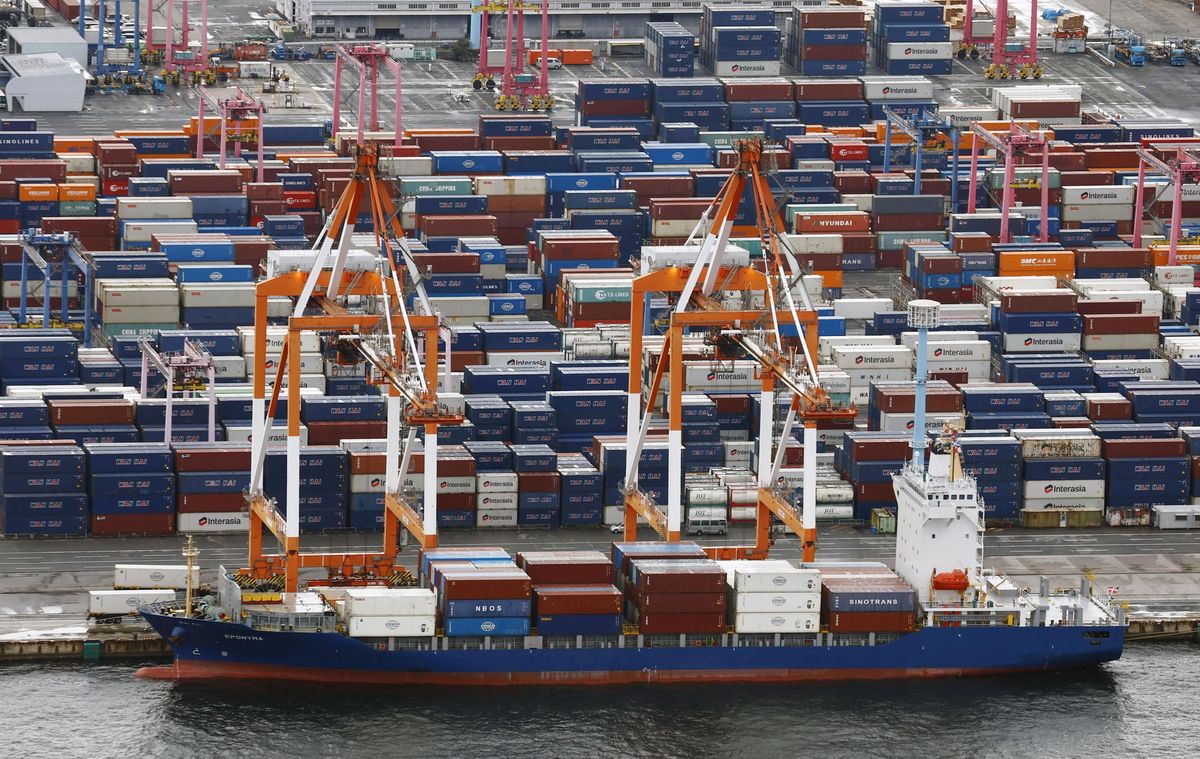
Japan's trade outlook faces significant headwinds as the ongoing U.S.-Israel war against Iran, which began in late February, threatens energy supply and shipping routes, despite March exports climbing 11.7% and imports rising 10.9%.
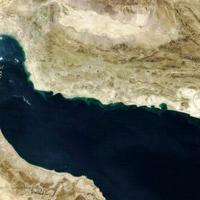
Japan, heavily reliant on Middle Eastern oil, is vulnerable to disruptions in the Strait of Hormuz, a critical waterway now effectively closed. While March trade data showed robust growth, economists like Mizuho Securities' Yasuhisa Irie and Norinchukin Research Institute's Takeshi Minami indicate these figures do not yet reflect the conflict's full impact, with consequences expected to materialize from April.
The government has initiated crude oil reserve releases and secured alternative routes, but a prolonged blockade will lead to visible economic contraction in emerging markets, slowing Japan's economic activity and fueling inflation. Rising energy prices increase corporate costs, hindering economic recovery, while flight-to-safety demand for the dollar weakens the yen, further inflating import bills.
The Bank of Japan is expected to maintain its policy rate at 0.75% at its upcoming meeting on Tuesday, assessing geopolitical risks before considering further tightening.