News
-copy.jpeg?trim=0,0,0,0&width=1200&height=800&crop=1200:800)
Global Energy Supply · Iran-Israel Conflict · Middle East Geopolitics · Natural Gas Market
Israel struck Iran's South Pars gas field, prompting Iran to retaliate against Qatar's Ras Laffan Industrial City, where 115,000 people work, escalating a three-week-old conflict with US President Donald Trump threatening to destroy South Pars if further attacks occur.
Israel's strike on South Pars, the world's largest fossil gas field shared by Iran and Qatar, marks a strategic shift from targeting officials to critical energy infrastructure. Experts like Dr.
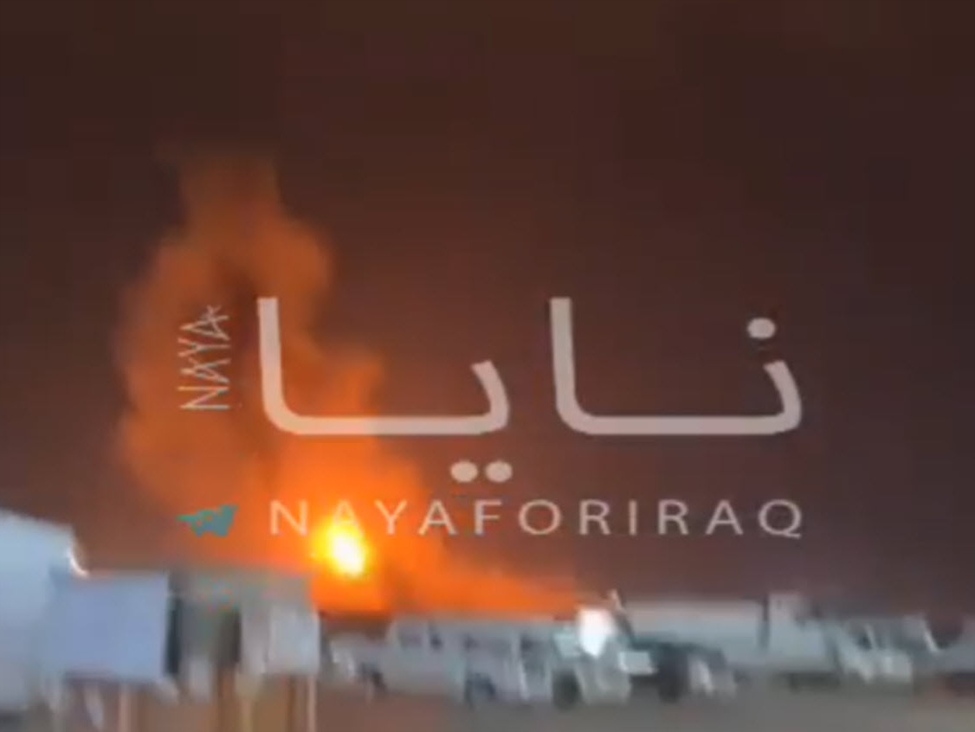
Umud Shokri warn a full strike on South Pars would cause immediate outages, shortages, and inflation in Iran, impacting daily life. Iran's retaliation hit Qatar's Ras Laffan Industrial City, a major LNG facility, with four out of five missiles intercepted, causing extensive damage but no casualties, as reported by QatarEnergy.
Saul Kavonic of MST Financial emphasizes that hitting an LNG facility could halt production for several years, creating a lasting global energy supply disruption beyond the war's end. The US, through President Trump, disavowed knowledge of Israel's initial strike, claiming it hit only a "relatively small section," but issued a severe warning against further Iranian attacks on Qatar.