News
Airfares · Airlines · Jet Fuel · Middle East War
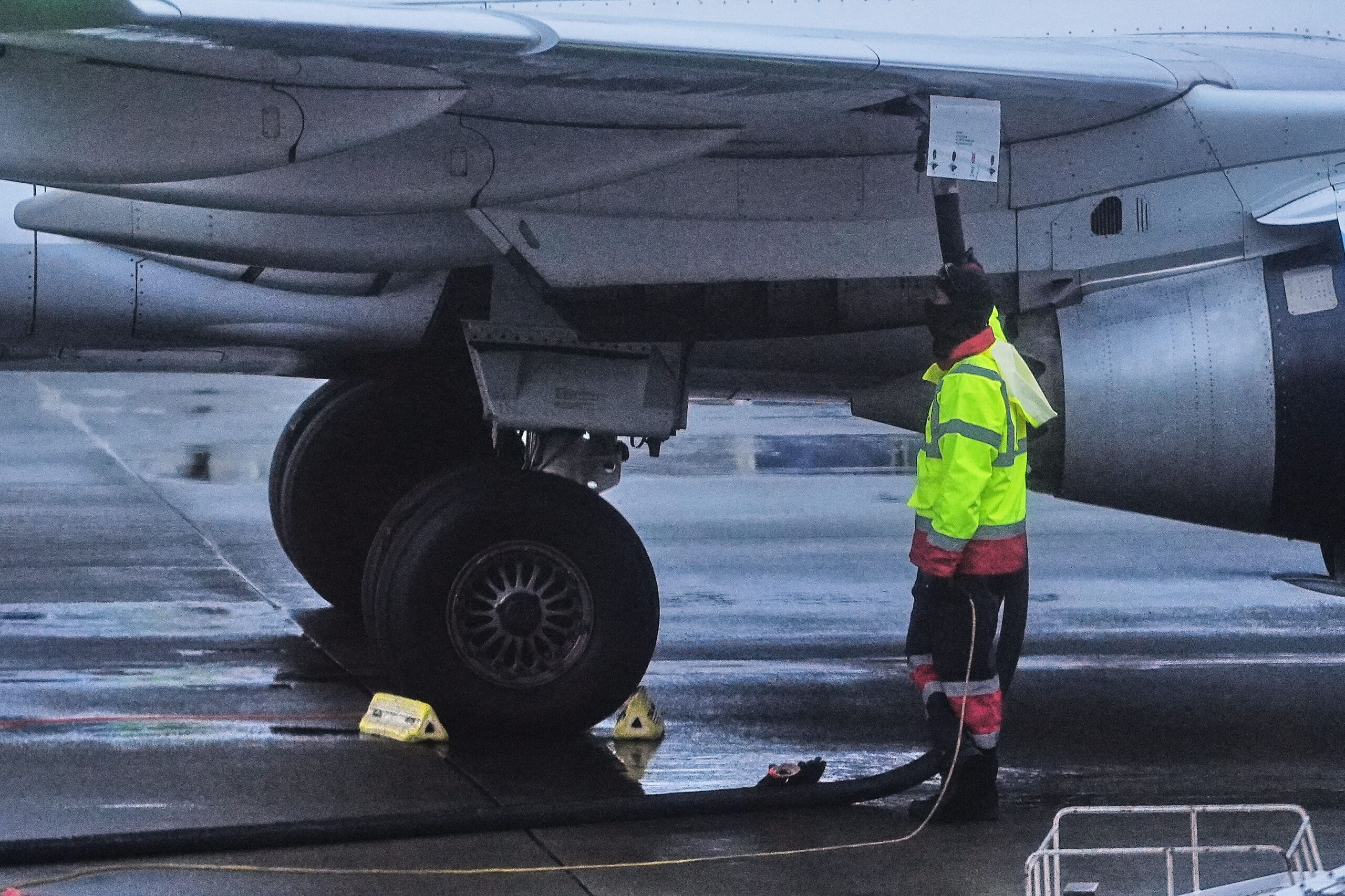
Jet fuel prices surged to $3.99 per gallon on Friday, up from $2.50 two weeks prior, driven by the war in Iran, compelling airlines like Cathay Pacific, Air France-KLM, and United Airlines to raise fares and add surcharges, impacting summer travel costs for consumers.
The conflict in the Middle East disrupts global oil supplies, effectively halting traffic through the Strait of Hormuz, which carries one-fifth of the world’s oil. This volatility in crude oil prices directly translates to higher jet fuel costs; U.S. airlines paid $2.36 per gallon in January, according to the U.S. Department of Transportation’s Bureau of Transportation Statistics.
Fuel constitutes 20% to 25% of an airline’s operating costs, as stated by Rob Britton, a retired American Airlines executive. While some airlines use fuel hedging, it only covers a portion of their needs, making them vulnerable to prolonged price surges.
United Airlines CEO Scott Kirby confirmed that airfare increases will "start quick." Airlines outside the U.S., including Cathay Pacific, Air France-KLM, Air India, Hong Kong Airlines, and FlySafair, have already implemented fare increases or fuel surcharges, with Air France-KLM raising long-haul economy fares by approximately 50 euros ($57) and Air India increasing surcharges by up to $50 on certain routes. U.S. carriers integrate fuel costs into base fares rather than separate surcharges, as explained by Tyler Hosford of International SOS.
Airlines also adjust pricing for premium add-ons like seat upgrades or checked bags to offset higher operating costs. Christopher Anderson, a Cornell University professor, notes that persistent high fuel prices may lead airlines to adjust schedules or reduce routes.
Experts advise travelers to book early, use flexible options, and leverage frequent flyer miles or credit card points to mitigate rising costs.
Iran War Drives Airline Fuel Costs, Fares Up(current)