News
Geopolitics · Internal Dissent · Iran · IRGC
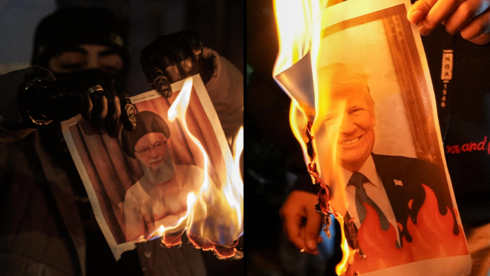
Iran's Islamic Revolutionary Guard Corps (IRGC) is expanding its influence, leading to increased militarization and accelerated executions of dissidents, reflecting the regime's growing reliance on coercive power to manage internal dissent and declining legitimacy, rather than primarily responding to external threats.
Dr. Sofey Saidi's analysis challenges the mainstream narrative that Iran's militarization is solely a response to external conflict or a confident shift to military-led governance.
Instead, the regime's actions, including recent executions of MEK members reported by Reuters, indicate a system under strain, intensifying internal repression amidst external confrontation. This pattern suggests continued internal pressure, visible fractures within the political elite, and an expanding role for security institutions in managing domestic instability, rather than political consolidation.
The IRGC's growing visibility reflects the regime's increasing dependence on coercive institutions as other sources of authority weaken, highlighting a potential fragmentation rather than a coherent transformation. The future of Iran will be shaped by societal pressures challenging both clerical and military leadership, not solely by shifts within the regime.
Iran Regime Militarizes to Suppress Internal Dissent(current)