Araverus
NewsMarketsResearch
News
HeadlinesThreadsAtlas
© 2026 Araverus
AboutContactPrivacyTerms

Araverus does not provide financial, investment, or trading advice. All content is for informational purposes only. Full disclaimer

  1. News
  2. /
  3. Economy
  4. /
  5. Trade

Ford Seeks Tariff Relief; Trump Administration Rebuffs

Araverus Team|Wednesday, April 8, 2026 at 2:00 AM

Ford Seeks Tariff Relief; Trump Administration Rebuffs

Araverus Team

Apr 8, 2026 · 2:00 AM

Auto Industry · F-150 · Ford · Tariffs

Auto IndustryF-150FordTariffs

Key Takeaway

The Trump administration's refusal to grant tariff relief to Ford Motor Company means increased operational costs for the automaker, directly impacting its profitability and potentially consumer prices for key products like the F-150. This situation signals a continued challenging environment for U.S. auto manufacturers reliant on imported materials, which means potential headwinds for the broader industrial sector and related supply chain investments.

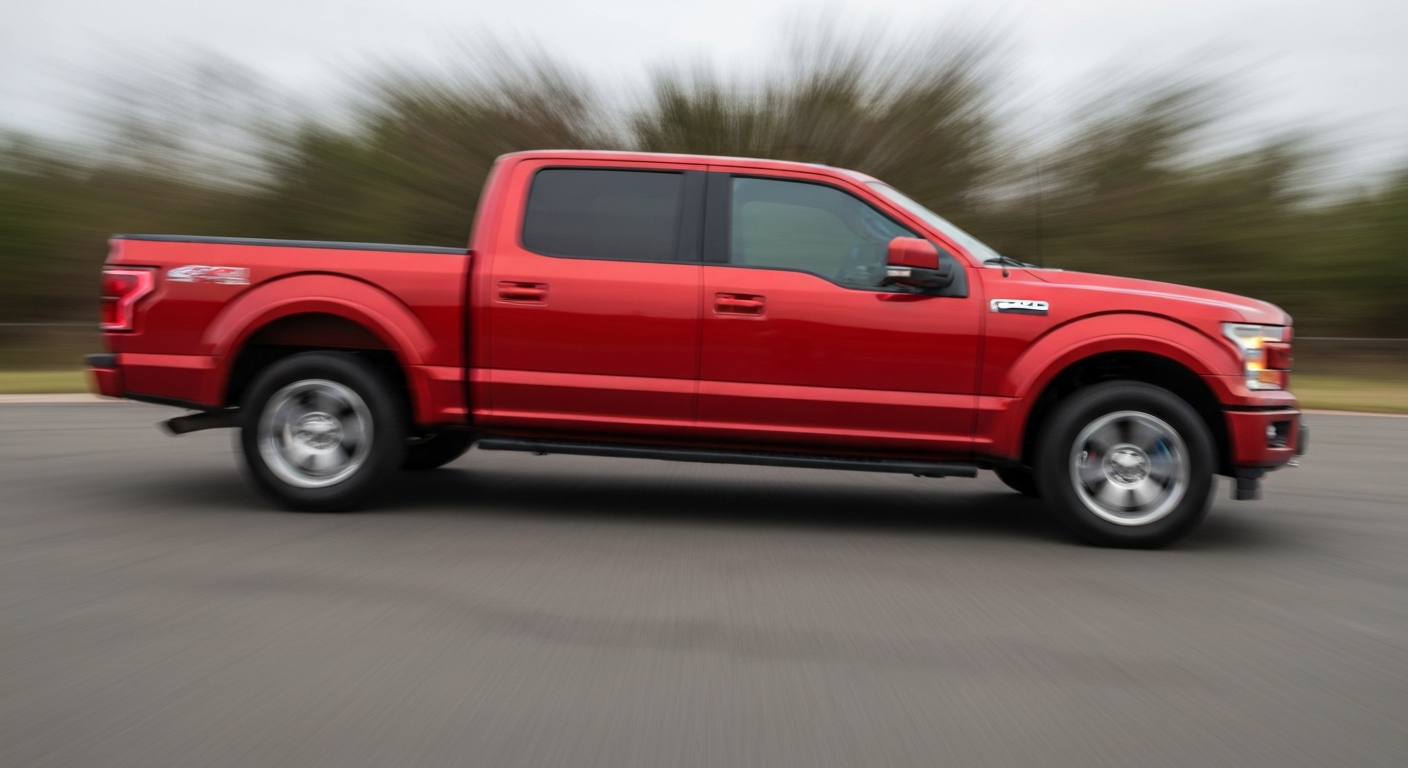
Ford Motor Company has formally requested relief from the Trump administration regarding tariffs on aluminum, which are significantly impacting its highly profitable F-150 pickup truck line, but these appeals have been consistently rejected.

According to Reuters, published on April 7, 2026, the tariffs are "pummeling" the F-150, a critical product for Ford's revenue and market share. This rejection by the Trump administration, which has also rebuffed other U.S. automakers, underscores a firm stance on trade policy.

The tariffs impose higher costs on Ford for essential materials like aluminum, exacerbating existing supply chain challenges, including those stemming from recent plant fires. Consequently, Ford faces pressure to either absorb these increased expenses, thereby compressing profit margins, or pass them on to consumers through higher vehicle prices.

Both scenarios present significant headwinds for the company's financial performance and competitive positioning in the robust U.S. truck market. The administration's unwavering position indicates that domestic manufacturers must navigate these elevated input costs without government intervention, directly affecting their operational strategies and profitability outlook.
Read More On

Ford Asks Trump Administration for Relief as Tariffs Pummel F-150wsj.comExclusive: Ford aluminum supplier has yet to resume full output after September fire - Reutersreuters.comPrice hikes, layoffs and import fees: How car giants are reacting to Trump’s tariffs - CNBCcnbc.comFord asks Trump administration for relief as tariffs pummel F-150 - WSJ - marketscreener.commarketscreener.comFord Asks Trump Administration For Relief As Tariffs Pummel F-150- WSJ - TradingViewtradingview.com

Related Articles

Economy★★★Similarity: 72% · 6d ago

The Trump administration is preparing to reshape its steel and aluminum tariff regime

Altered rates on finished products made with the metals would simplify compliance, but could effectively raise costs for many imports.

Politics★★★Similarity: 71% · 4d ago

Democratic Senators Call on Trump to Block Chinese Automakers From Manufacturing in U.S.

The three senators, including Minority Leader Chuck Schumer, also called for a ban on Chinese vehicles manufactured or titled in Canada and Mexico.

Politics★★★Similarity: 68% · 5d ago

Trump Administration Unveils Up to 100% Tariff on Branded Drugs

Drugmakers or countries that strike pricing deals or make manufacturing investment commitments in the U.S. can secure much lower levies, or none at all.

Politics★★★Similarity: 67% · 5d ago

President Trump has used tariffs to remake U.S. trade policy, moving from a model of cooperative trade agreements to one that relies on overt economic coercion

Watch WSJ’s Gavin Bade break down how President Trump pivoted U.S. trade policy away from global cooperation and more toward economic coercion.