News
Investment · Rare Earths · Trade Policy · US-China Relations
President Trump's administration has dramatically reversed its aggressive stance on China, shifting from a confrontational "Trump 1.0" approach to a conciliatory "Trump 2.0" framework, driven by China's rare earths export shutdown and a desire for stable trade relations, impacting US policy, trade practices, and rhetoric.
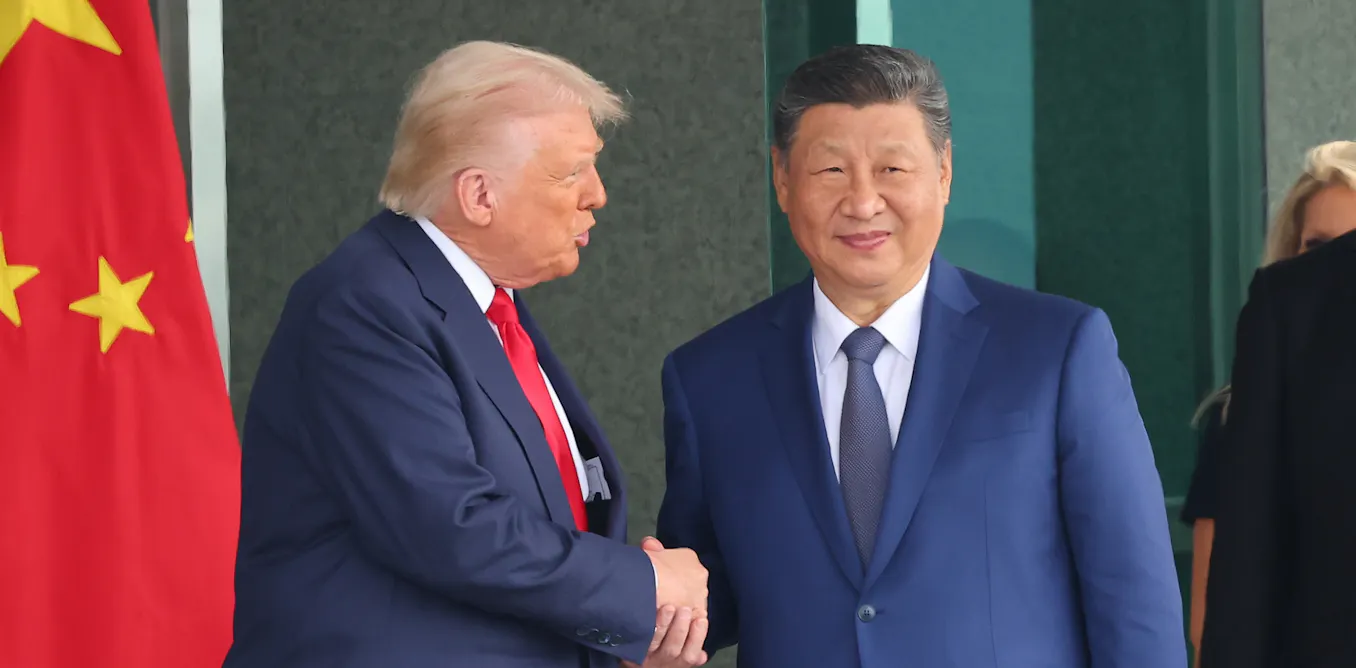
This shift, dubbed the "Busan Freeze" by some China hawks, began after Trump's October meeting with Chinese leader Xi Jinping in Busan, South Korea. The administration paused hefty tariffs, abandoned plans to penalize Chinese companies as security risks, curbed hacker investigations, and waved through Chinese investment with little scrutiny.
Commerce Secretary Howard Lutnick now requires signoff for all China-related actions, paralyzing antagonistic activities. China's April rare earths export shutdown, threatening US production of high-tech applications, was a critical turning point, prompting Treasury Secretary Scott Bessent and others to appeal for de-escalation.
The US now seeks large purchases of soybeans, Boeing aircraft, and American energy exports from China, largely resetting the trade relationship to 2024 status quo without significant US gains. This dovish posture has led to the dismantling of the National Security Council's tech and national security directorate and the firing of China hawks like David Feith.
Enforcement efforts by the Committee on Foreign Investment in the U.S. (Cfius) have slowed, and the White House cautioned against anti-China rhetoric in legislation. The FCC, however, banned new imports of all foreign-made routers, including those from China-linked TP-Link, without explicitly naming China.
The administration also delayed tariffs on legacy semiconductors and critical minerals. The conflicted approach is evident with the CIA recruiting Chinese spies and the Pentagon's fluctuating blacklist of Chinese military contractors.