News
Air Travel · FAA · Flight Delays · Operational Risk
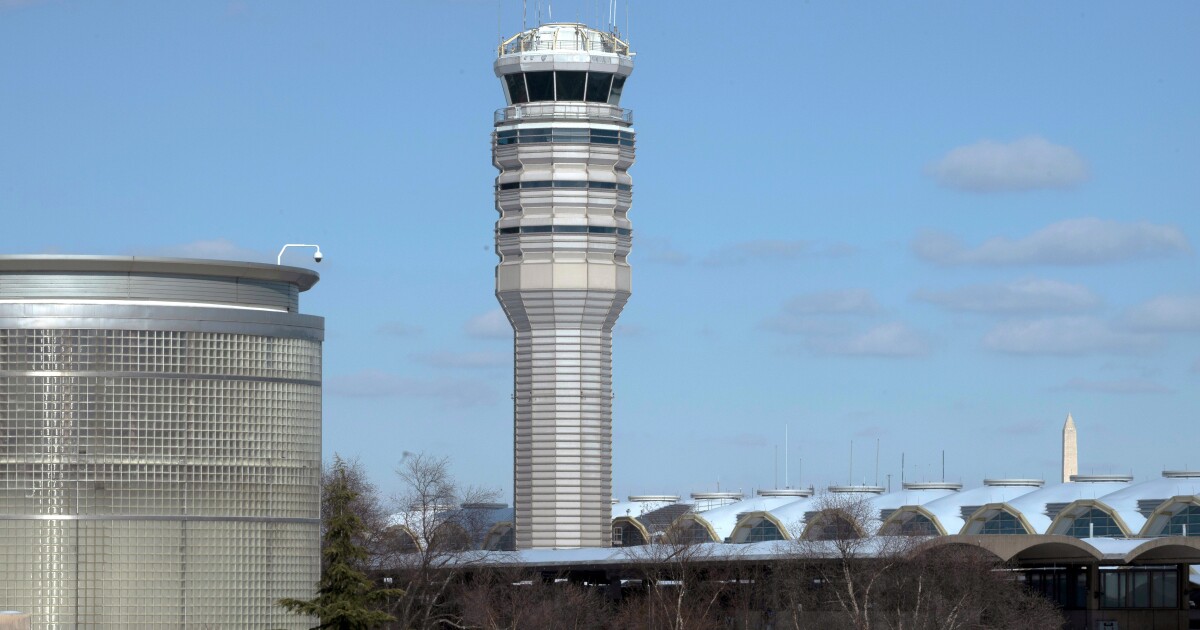
A chemical odor at the Potomac TRACON air traffic control facility briefly halted flights at major Washington D.C.-area airports, including Ronald Reagan National (DCA), Dulles International (IAD), and Baltimore-Washington International (BWI), on Friday evening.
The Federal Aviation Administration (FAA) initiated ground stops shortly after 5:30 p.m. ET, which lasted approximately two hours.
While the stops were lifted, significant flight delays persisted for several hours, impacting travel plans for thousands. This incident underscores the operational vulnerabilities within the U.S. air traffic control system, where a localized issue can quickly cascade into widespread disruptions across a critical travel hub.
The event contributed to a challenging day for U.S. air travel, with FlightAware reporting nearly 7,000 delays and 647 cancellations nationwide by Friday afternoon. This broader context included separate ground stops at Austin-Bergstrom due to staffing shortages and Seattle-Tacoma due to adverse weather, highlighting diverse pressures on airline operations.
For investors, such events signal potential for increased operational costs for airlines, reduced efficiency, and negative impacts on customer satisfaction, particularly as the industry navigates rising fuel costs and airfares. The reliance on centralized control facilities means that even seemingly minor incidents can have disproportionate effects on network performance and profitability.