News
Conflict · DR Congo · Ebola · M23
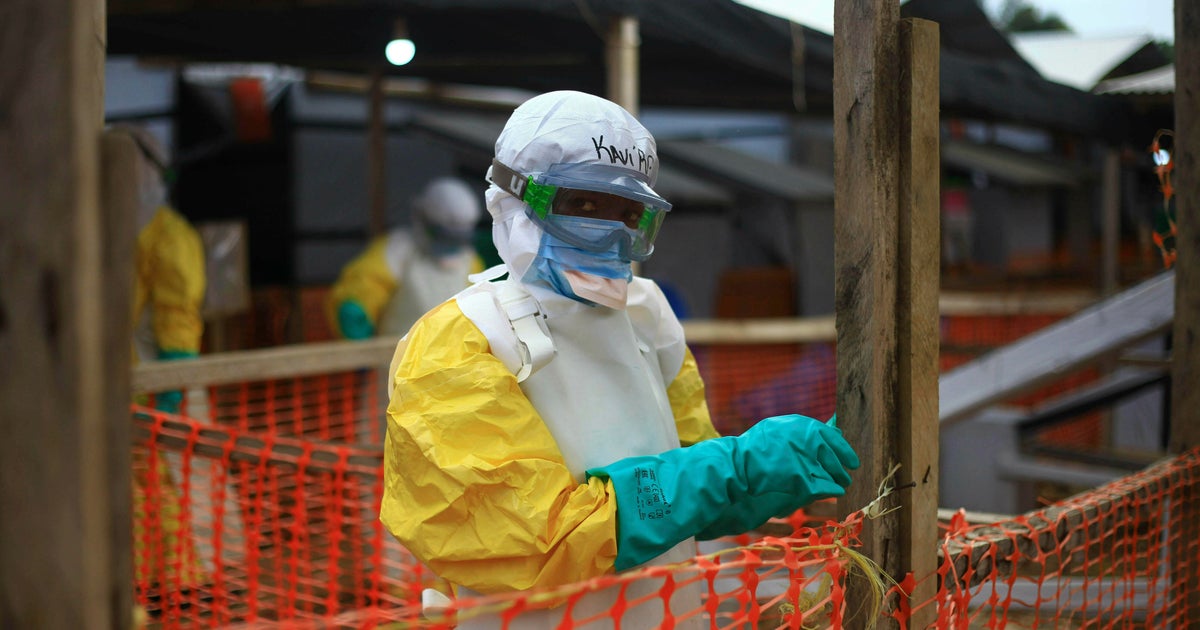
An Ebola outbreak, the 17th in the Democratic Republic of Congo since 1976, has caused 177 suspected deaths and almost 750 suspected cases, spreading into areas controlled by the M23 Movement and severely testing the country's fragile response capacity amid conflict and population displacement.
The outbreak, caused by the Bundibugyo strain, lacks an approved vaccine or specific treatment. Confirmed cases have emerged in M23-controlled areas, including Goma, the capital of North Kivu province, and Bukavu, the provincial capital of South Kivu, captured by M23 in February 2025.
Goma, with a population of 750,000, including over 333,000 internally displaced people and 154,000 refugees, is highly vulnerable. The World Health Organization (WHO) maintains a team in Goma, providing support, as stated by Marie Roseline Belizaire, WHO's acting regional emergency director.
M23 official Benjamin Mbonimpa announced contingency measures and coordination with medical teams. However, local residents and health workers, like Zawadi Clarisse, express concerns that insecurity will weaken the response, hamper contact tracing, and increase community resistance.
The Democratic Republic of Congo (DRC) government, through spokesperson Patrick Muyaya and Foreign Minister Therese Kayikwamba Wagner, asserts M23 lacks the capacity to manage the epidemic. M23 epidemiologist Freddy Kanyiki rejects these accusations, stating the group's readiness to cooperate and demanding international support.
The continued closure of Goma International Airport, a point of contention, complicates the movement of samples, experts, and medical supplies, hindering effective containment efforts.