News
DRC · Ebola · Public Health · Vaccine Development
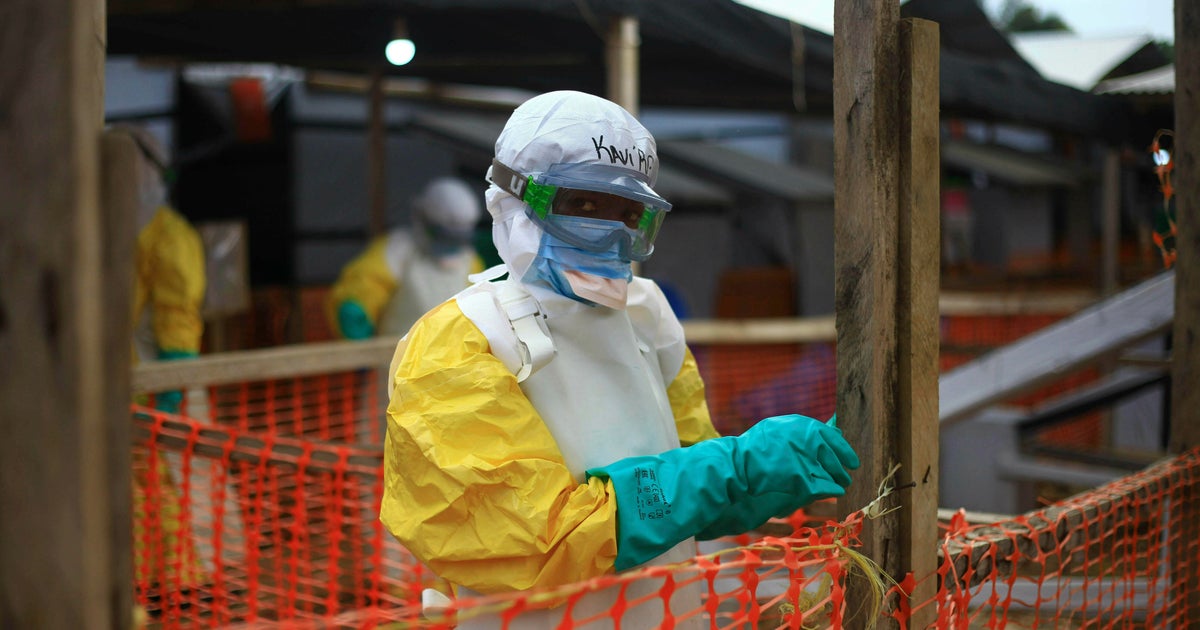
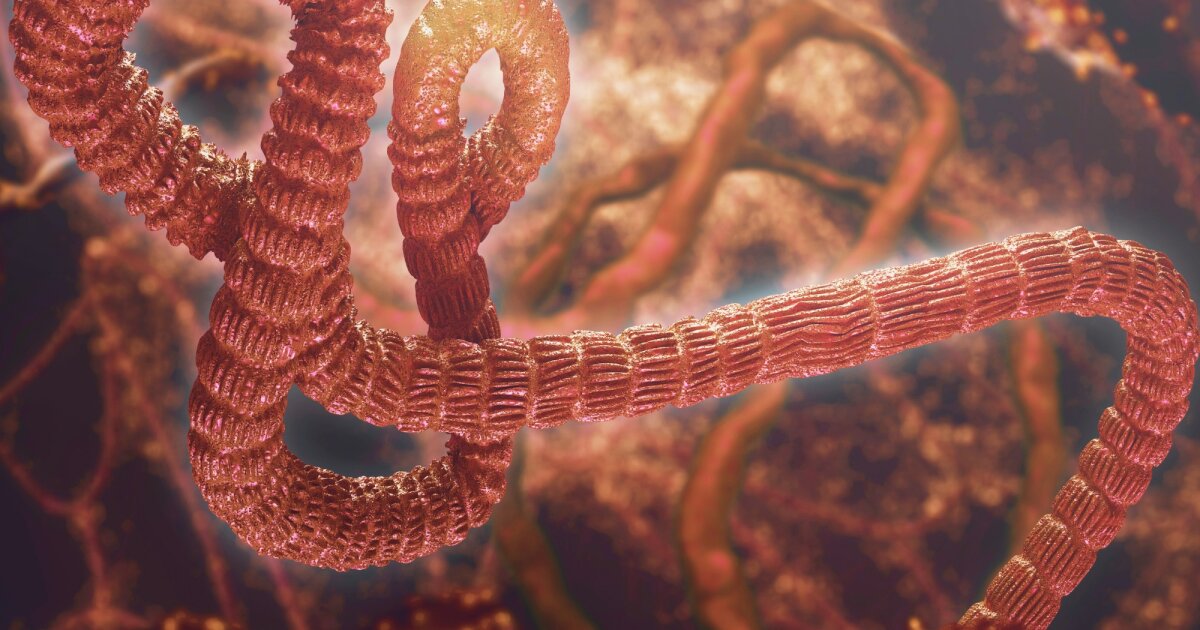
An outbreak of the rare Bundibugyo ebolavirus in the Democratic Republic of Congo has become the third largest in history, with at least 750 suspected cases and 177 suspected deaths, worrying U.S. and international health officials as it spreads rapidly in a volatile region.
The outbreak is centered in Ituri province, a war-torn commercial and mining hub bordering Uganda and South Sudan, where two cases have been confirmed in travelers. The World Health Organization reports the virus spread undetected for weeks, exacerbated by armed conflict, population displacement, and deep distrust of outside authorities.
Public-health leaders state that cuts to international health aid over the past 18 months intensify the burden. The Bundibugyo strain, while less deadly than Zaire ebolavirus, still kills over 30% of those infected and has no approved vaccines or treatments.
Several potential Bundibugyo vaccines are in development, with the University of Oxford and Serum Institute of India working on a candidate that could be available in two to three months, according to Dr. Vasee Moorthy, a WHO official.
Mapp Biopharmaceutical has a potential monoclonal antibody treatment, and Gilead Sciences' investigational antiviral obeldesivir is predicted to be active against the strain. The Centers for Disease Control and Prevention assesses the risk of spread to the U.S. as low, implementing travel restrictions and screening measures.