News

AI Race · China Tech · Supercomputing · US Export Controls
China's LineShine supercomputer, using domestically designed chips, secured the top spot on the biannual TOP500 global ranking, surpassing the US's El Capitan system, marking China's first listing in three years.
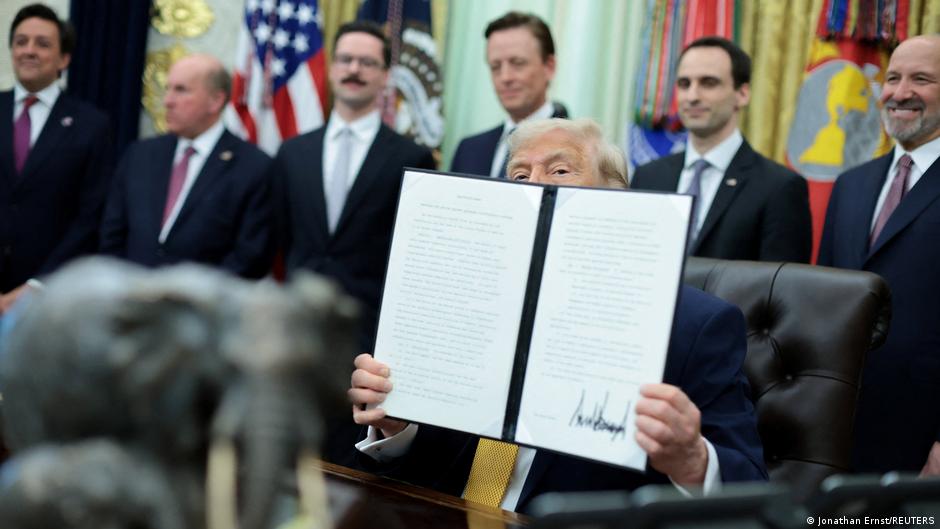
This ranking emerges as the US and China intensify competition in advanced computing, with US President Donald Trump signing an executive order to advance US quantum computing. El Capitan, housed at Lawrence Livermore National Laboratory, develops and maintains the US nuclear weapons stockpile.
Technology and policy experts, including Jimmy Goodrich, a senior fellow at the University of California’s Institute for Global Conflict and Cooperation, definitively state this result does not signify China possesses the world's fastest computer for AI work. LineShine ranked fourth on a benchmark test designed to simulate AI-like computing.
Cloud computing giants such as Microsoft, Amazon.com, and Alphabet’s Google build massive supercomputers geared for AI but do not typically compete for TOP500 spots. A study by AI policy researchers Konstantin Pilz, James Sanders, Robi Rahman, and Lennart Heim found SpaceX-owned xAI’s Colossus system was more powerful than El Capitan.
Experts, including Addison Snell, CEO of Intersect360 Research, confirm China's victory on the list highlights its chip design efforts, a change from its non-submission since 2023 due to US export controls. The LineShine system does not contain advanced AI chips, likely because manufacturing tools remain subject to US export controls.
Goodrich asserts China hopes to convince the world export controls are useless by seeking this recognition.