News

BoE · Inflation · Interest Rates · UK Economy
The Bank of England maintained its benchmark Bank Rate at 3.75% for the fourth consecutive meeting, driven by abating inflation pressures and signs of a weakening UK economy, leading to expectations of a more dovish stance.
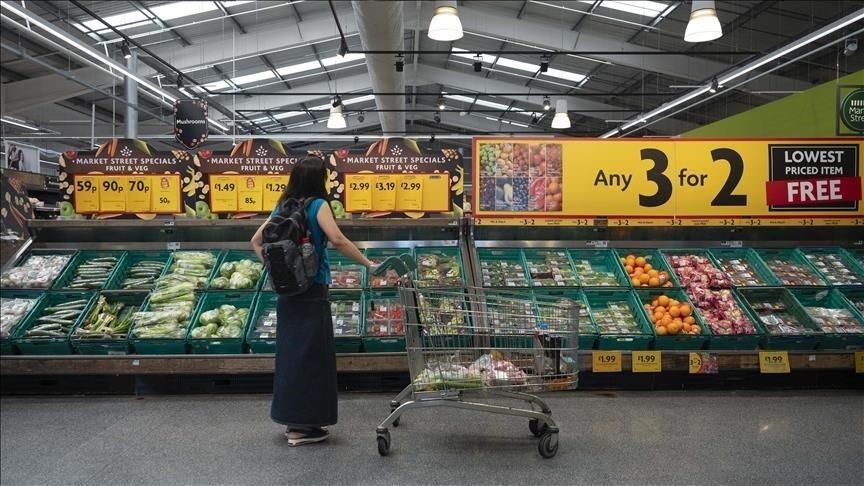
UK yearly inflation steadied at 2.8% in May, a significant drop from the 3.3% peak in March and below the Bank of England's February projections. Global oil prices have tumbled approximately 30% since the previous BoE meeting, largely due to progress on a US-Iran peace deal that could reopen the Strait of Hormuz for toll-free shipping.
Concurrently, the UK economy shows signs of exhaustion, with Gross Domestic Product shrinking 0.1% in April and Industrial Production stalling. These factors suggest the BoE is unlikely to hike interest rates further this year, risking a recession if borrowing costs tighten.
Markets will closely analyze the vote split for any shifts towards dovishness, particularly regarding Chief Economist Huw Pill, who previously advocated for a rate hike. Analysts at Deutsche Bank confirm these developments provide the BoE leeway to maintain its policy.
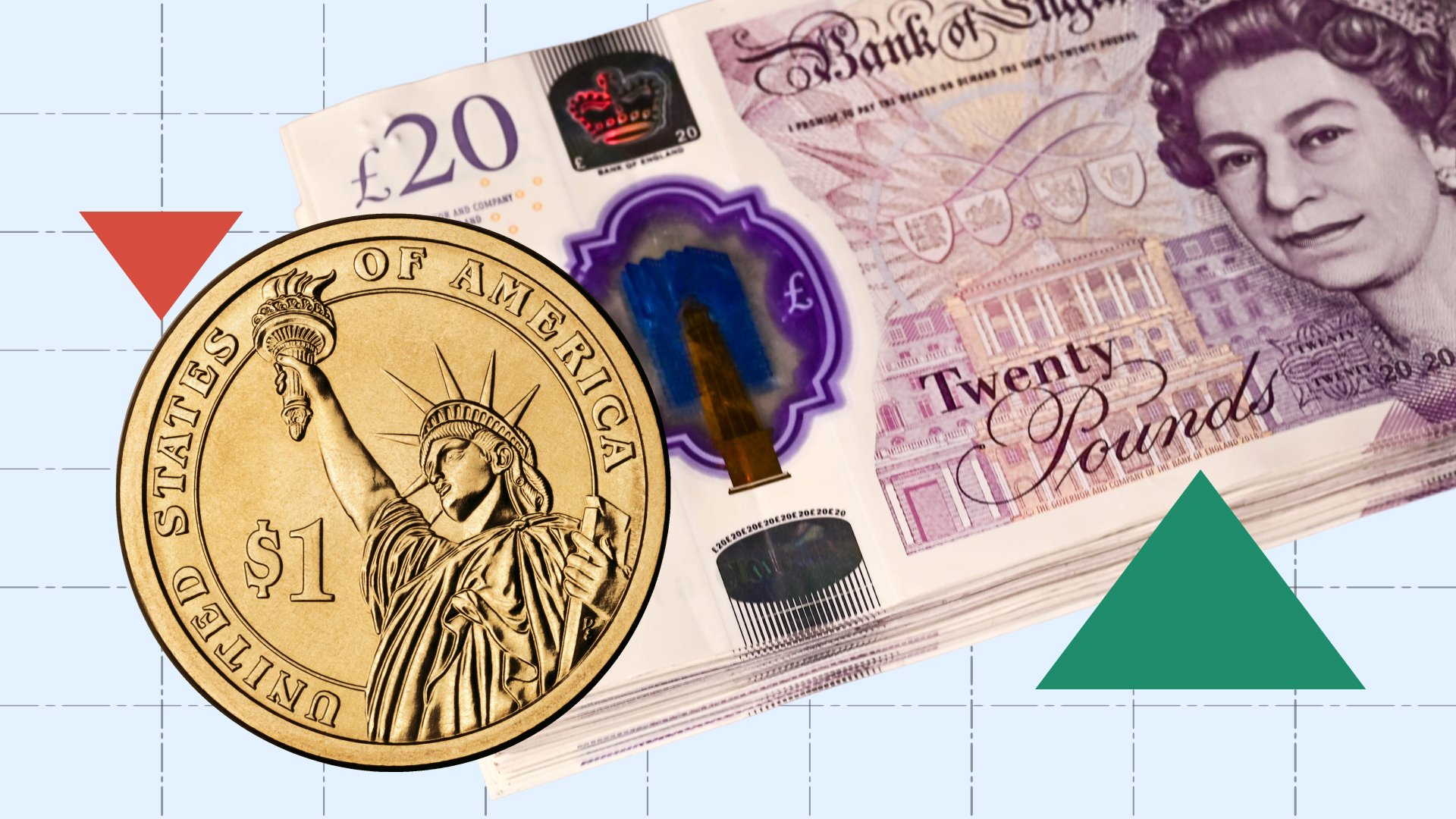
FX Analyst Guillermo Alcalá of FXStreet predicts the British Pound (GBP) will drift lower towards 1.3300 against the US Dollar (USD) if the BoE delivers a "dovish hold", though a confirmed Middle East peace deal could boost GBP to 1.3500.