
News
Bank Of England · Interest Rates · Monetary Policy · UK Economy
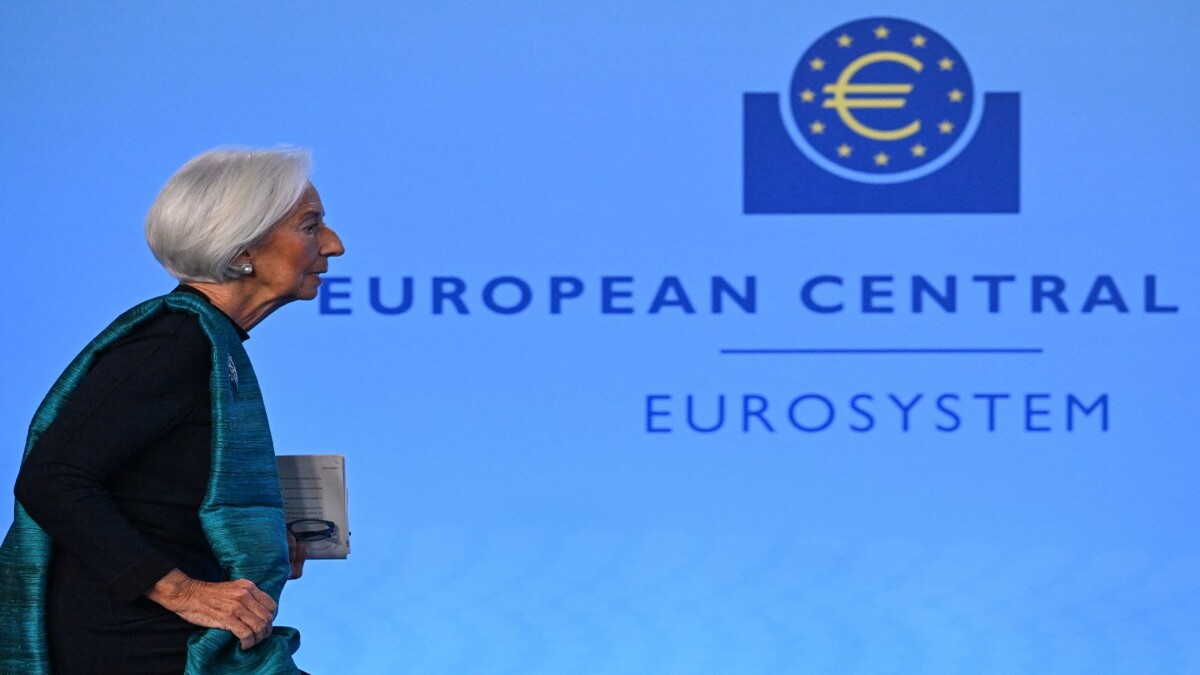
The Bank of England is expected to maintain its key interest rate at 3.75% on Thursday, mirroring the Federal Reserve's stance but notably diverging from the European Central Bank, which raised its rate for the first time in over three years.
The BOE's decision reflects clearer signs of economic weakness in the UK, including an April economic contraction, a significantly weakened jobs market, and subdued consumer demand. Conversely, the ECB raised its rate, citing a pickup in inflation driven by high energy prices from the Middle East conflict, despite a first-quarter contraction in the eurozone economy, which President Christine Lagarde attributed to a "temporary" setback.
While a majority of the BOE's Monetary Policy Committee (MPC) sees only a moderate risk of second-round inflation effects from energy prices, they signal readiness to tighten policy later this year if the Middle East conflict persists or wage growth accelerates. The decision is not unanimous, with BOE Chief Economist Huw Pill and Megan Greene expected to vote for a rate increase to 4%, indicating internal debate on the appropriate policy response amidst global inflationary pressures and domestic economic fragility.


)