News
Apple · Memory Chips · Pricing Strategy · Smartphone Market
The global smartphone market is grappling with a severe memory chip shortage, largely fueled by escalating demand from AI infrastructure development by tech giants such as Meta, Google, and Microsoft.
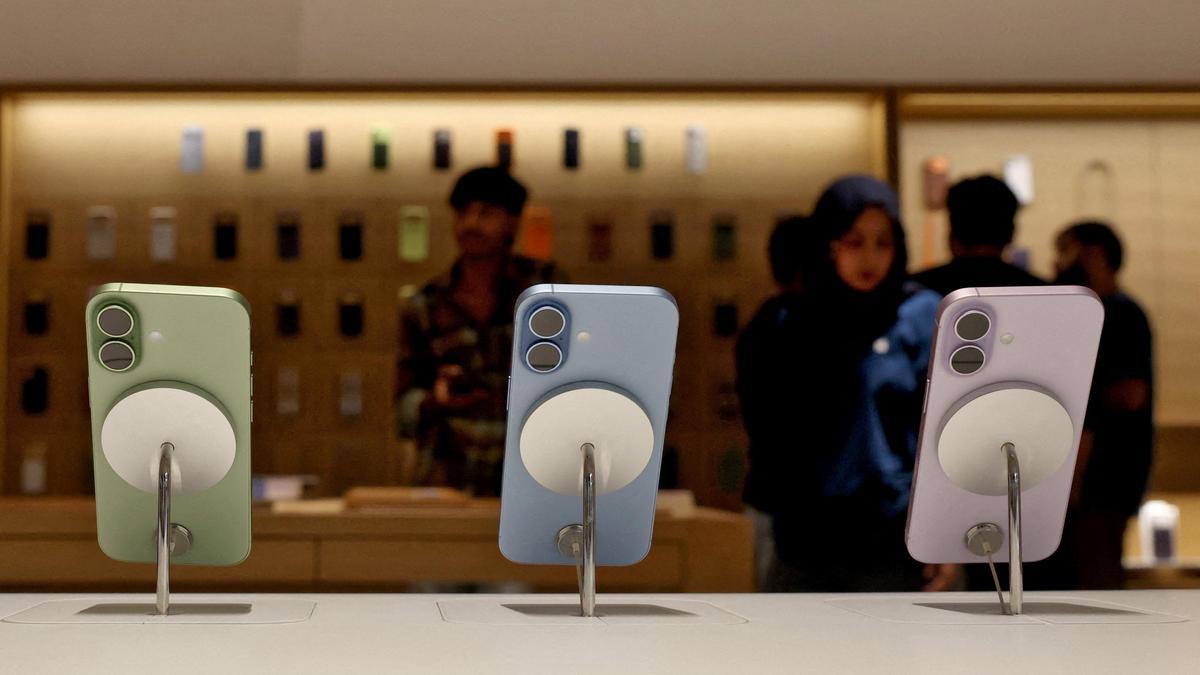
This surge in demand is driving DRAM prices sharply higher, compelling smartphone manufacturers to make critical pricing decisions. Apple, while forecasting robust sales for its iPhone 17 models, has not disclosed whether it will raise prices to mitigate increased component costs or absorb them to expand market share.
CEO Tim Cook alluded to "different levers" but remained vague on specific pricing actions. Analysts suggest Apple's strong relationships with key suppliers like Samsung Electronics, SK Hynix, and Micron provide it a significant advantage in securing chips over smaller competitors.
The industry projects the first annual decline in the global smartphone market since 2023, with Qualcomm already reporting missed forecasts due to chip scarcity impacting its Android device maker customers, especially in China. Apple's strategic choice is pivotal: maintaining current prices could enhance iPhone attractiveness and market share, albeit potentially at the expense of investor sentiment, while a price increase could enable rivals to follow suit.
Samsung's integrated supply chain may offer similar flexibility.
Apple's Pricing Power Tested as Memory Chip Crunch Reshapes Smartphone Market(current)
South Korea Exports Soar to Record High in March