Araverus
NewsMarketsResearch
News
HeadlinesThreadsAtlas
© 2026 Araverus
AboutContactPrivacyTerms

Araverus does not provide financial, investment, or trading advice. All content is for informational purposes only. Full disclaimer

  1. News
  2. /
  3. Economy
  4. /
  5. Global
Top Headline

UK Inflation Jumps to 3.3% on Mideast War

Araverus Team|Wednesday, April 22, 2026 at 7:03 AM

UK Inflation Jumps to 3.3% on Mideast War

Araverus Team

Apr 22, 2026 · 7:03 AM

CPI · Fuel Prices · Middle East War · UK Inflation

CPIFuel PricesMiddle East WarUK Inflation

Key Takeaway

Rising UK inflation, driven by geopolitical energy shocks, means increased pressure on the Bank of England to maintain a hawkish stance, impacting bond yields and potentially delaying interest rate cuts. This external inflationary pressure means higher operating costs for UK businesses, particularly in transport and manufacturing sectors, and reduced consumer purchasing power.

Britain's annual inflation rate surged to 3.3 percent in March, up from 3.0 percent in February, as escalating Middle East conflict drove significant increases in oil and gas prices, according to official data from the Office for National Statistics.

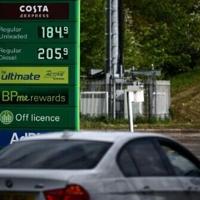
The Consumer Prices Index (CPI) saw this increase, marking a notable acceleration in price growth that surpasses previous expectations. This rise in inflation is directly attributed to the geopolitical tensions in the Middle East, which have exerted substantial upward pressure on global energy markets, directly translating into higher fuel costs for consumers and businesses across the UK.

The surge in fuel prices directly impacts household budgets, reducing discretionary spending, and simultaneously increases operational expenses for various industries, thereby affecting overall economic stability within the UK. This development presents significant challenges for the Bank of England in managing monetary policy, as these external supply-side shocks complicate efforts to control inflation and achieve its target rate without stifling economic growth.

The persistent inflationary pressures from energy markets indicate a more complex economic environment than previously anticipated, requiring careful consideration for future interest rate decisions.


Read More On

U.K. Inflation Jumps as Iran War Pushes Fuel Prices Higherwsj.comUK inflation rises after Iran war pushes up fuel prices - BBCbbc.co.ukUK inflation rises to 3.3% amid soaring fuel prices driven by Iran war - The Guardiantheguardian.comUK inflation rises after Iran war pushes up fuel prices - Yahoo! Finance Canadaca.finance.yahoo.comUK inflation rises after Iran war pushes up fuel prices - AOL.comaol.com

Related Articles

Economy★★★Similarity: 87% · 70d ago

Eurozone Inflation for March Revised Higher on Sharper Energy Prices

Consumer prices were up 2.6% on year last month, the highest level since July 2024, as the energy shock from the Iran war proved more pronounced than expected.

Economy★★★Similarity: 81% · 66d ago

Canada Inflation Accelerates to 2.4% in March

Inflation surged in Canada last month thanks to a record jump in gasoline prices, though cost pressures from the conflict in the Middle East so far appear contained and may ensure the central bank continues to leave interest rates steady.

Economy★★★Similarity: 79% · 65d ago

New Zealand First-Quarter Inflation Higher Than Expected

New Zealand’s inflation rate came in higher than expected in the first quarter, underscoring concerns about the emergence of price pressures across the economy just as the Middle East energy shock was beginning to develop.

Economy★★Similarity: 78% · 70d ago

U.K. Economy Posted Faster-Than-Expected Growth Ahead of Energy-Price Shock

The surprise reading for February came before the jump in energy prices that followed the U.S. and Israeli attacks on Iran.