News

Elections · Executive Order · State Sovereignty · Voting Rights
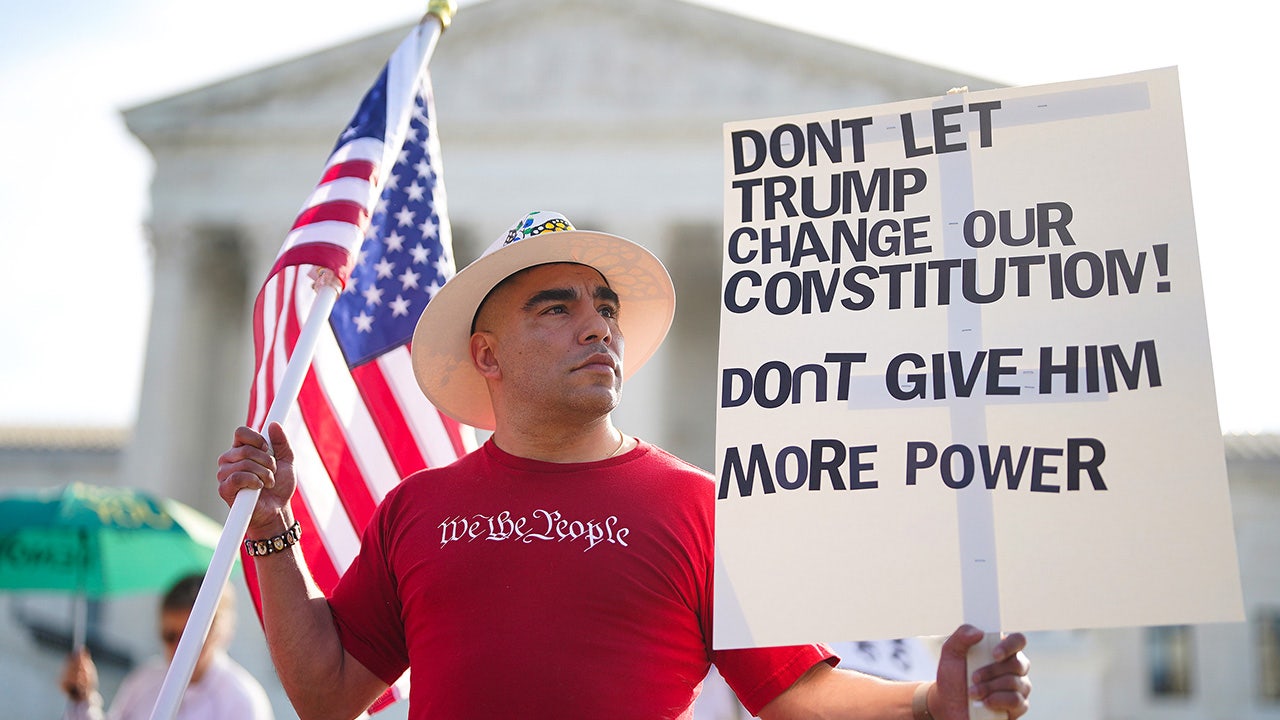
President Donald Trump signed an executive order on March 31, 2026, directing the creation of a national list of verified eligible voters and imposing new restrictions on mail-in voting, immediately prompting threats of lawsuits and non-compliance from Democratic state officials who assert the order is unconstitutional.
The order mandates the Department of Homeland Security, in conjunction with the Social Security Administration, to compile the voter list and seeks to prevent the U.S. Postal Service from delivering absentee ballots to individuals not on state-approved lists. It also calls for secure, barcoded ballot envelopes and threatens to withhold federal funding from non-compliant states and localities.
State officials from Oregon, Arizona, Maine, and Nevada quickly pledged legal action, arguing the president is illegally encroaching on states' constitutional authority to manage elections. Legal experts, including David Becker of the Center for Election Innovation and Research, noted the president lacks authority over the independent Postal Service.
This action follows Trump's previous attempts, such as a March 2025 order for proof-of-citizenship and Election Day ballot receipt, which were largely blocked by legal challenges. The Department of Homeland Security's SAVE system, intended for verification, has faced scrutiny for flawed results and privacy concerns, according to the Brennan Center for Justice.
A 2025 report by the Brookings Institution found mail voting fraud occurred in only 0.000043% of total mail ballots cast.
Trump Order Sparks State Lawsuits Over Election Control(current)