News

Economic Stability · Geopolitics · Iran · Oil Prices
US President Donald Trump and Iranian President Masoud Pezeshkian signed an interim agreement, averting a global economic catastrophe by ending a regional war that had driven up energy prices and renewed inflationary pressures, with Brent crude futures initially falling below $80 before regaining 1%.
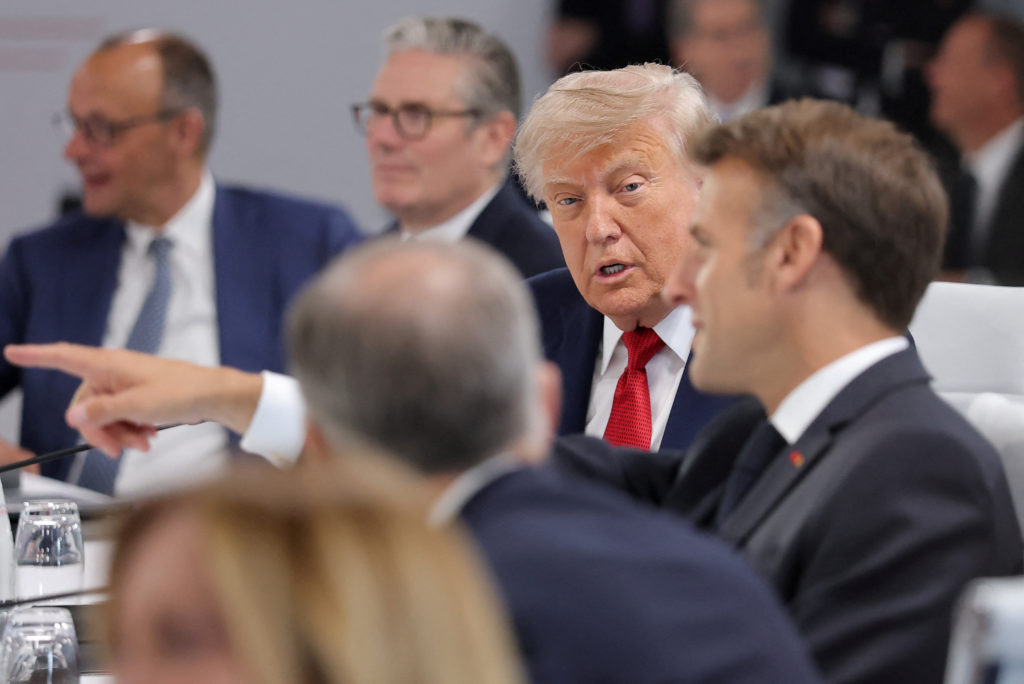
Speaking at the G7 summit in France, President Trump defended the deal, stating it prevented an economic catastrophe and warned of renewed attacks if Iran violates its commitments. The war, which began on February 28 with US and Israeli strikes, had caused significant economic disruption, including concerns about a major food supply crisis.
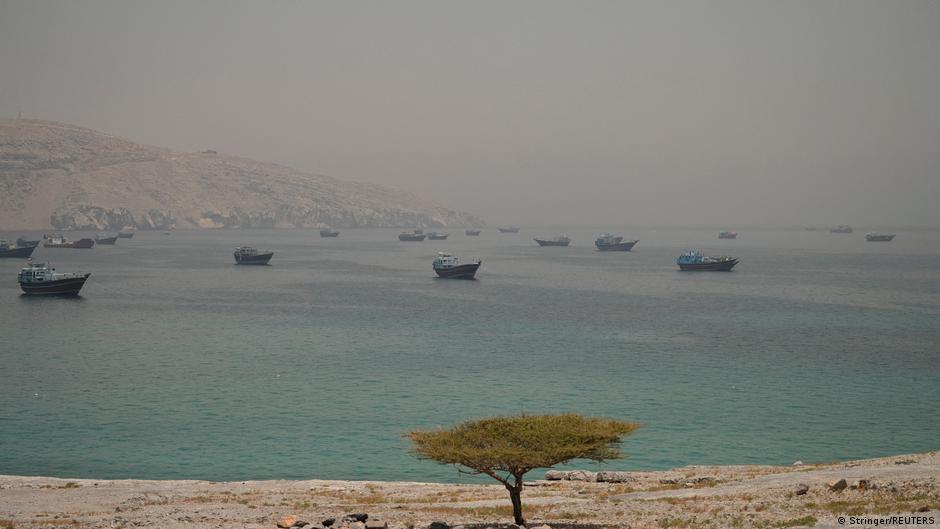
The 14-point memorandum of understanding extends a ceasefire by 60 days, mandates an immediate end to hostilities across all fronts, including Lebanon, ensures full resumption of maritime traffic in the Strait of Hormuz, lifts a US blockade of Iranian ports, waives international sanctions, and includes a $300 billion plan for Iran's economic rehabilitation. Iran reaffirmed its vow not to build nuclear weapons.
Despite the agreement, the article notes that Iran's theocratic government remains, its uranium stockpile is not surrendered, and its support for anti-Israel militias continues. G7 leaders welcomed the deal but expressed ongoing concerns about Iran's nuclear program and demanded a ceasefire in Lebanon, where Israel, not part of the negotiations, continues military actions and was gently rebuked by Trump.
The mood among ordinary Iranians remains grim, with 99% reportedly in "survival mode" due to economic woes.