News

ETFs · Private Equity · SpaceX · Valuation Risk
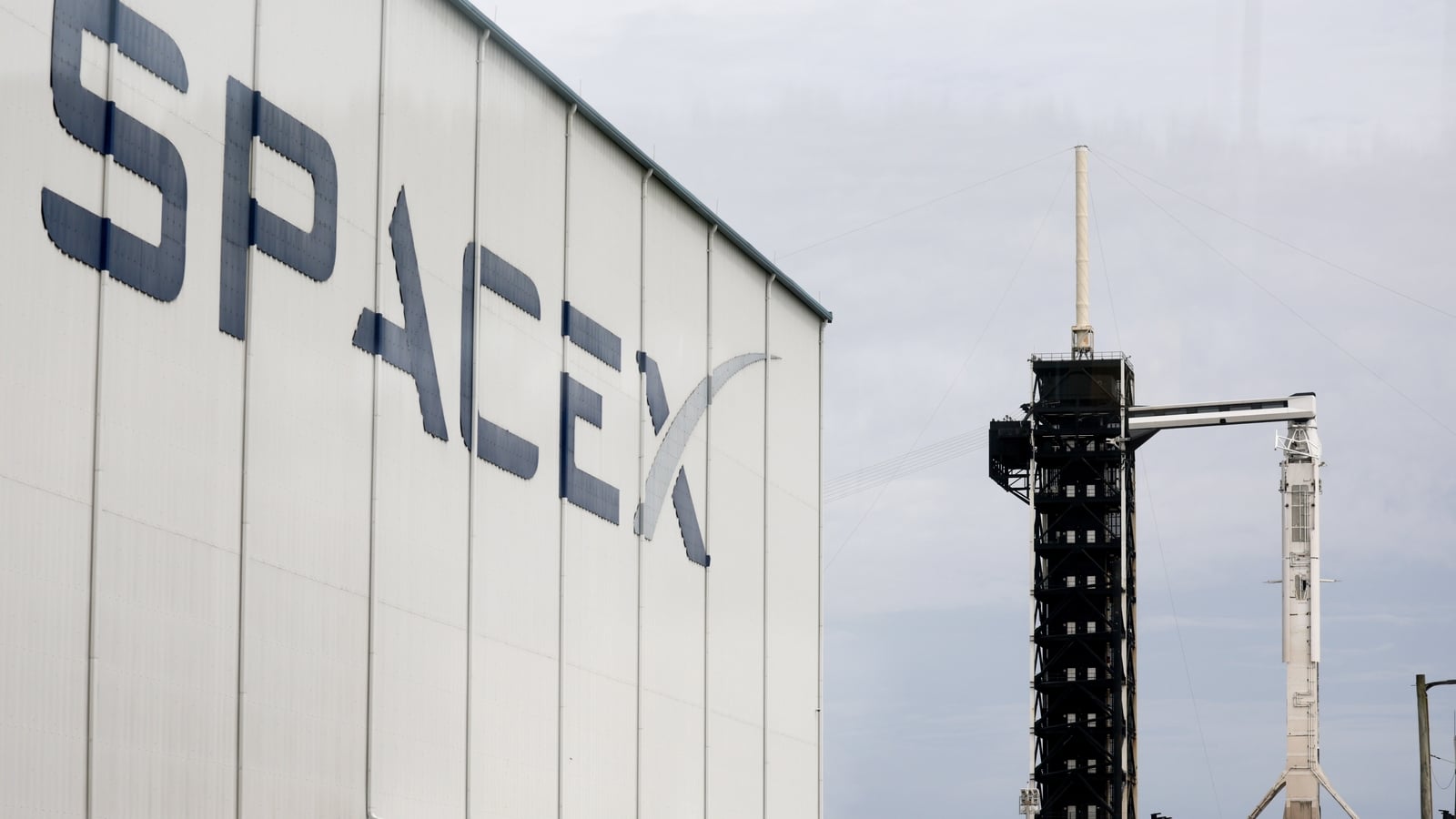
The financial industry is increasingly packaging private assets, like stakes in SpaceX and xAI, into ETF wrappers for retail investors, despite institutional investors scaling back private market exposure.
This trend is fueled by the potential for higher returns and a shrinking public company universe, with BlackRock projecting private markets to grow from $13 trillion to over $20 trillion by 2030. However, critics highlight significant downsides, including higher costs, greater risks, illiquidity, and a lack of transparency, often leading to an illusion of low volatility.
While funds like ERShares Private-Public Crossover ETF (XOVR) offer SpaceX exposure via SPVs, they face scrutiny over high fees (up to 25% of gains) and opaque valuation methods. KraneShares Artificial Intelligence & Technology ETF (AGIX) provides direct exposure to xAI and Anthropic, outperforming the Nasdaq-100 since inception but attracting limited assets.
The Destiny Tech 100 (DXYZ), a closed-end fund heavily invested in SpaceX, has experienced extreme volatility and trades at a massive premium to its NAV, underscoring the speculative interest and valuation challenges. Investors must carefully evaluate these offerings, which often carry higher expense ratios and inherent risks compared to traditional public market investments.