News

Energy · Geopolitics · Hormuz · Russia
The Strait of Hormuz, a critical global chokepoint, faces severe disruption following US and Israeli actions against Iran, leading to Iran's declaration of "full control" and threats to shipping.
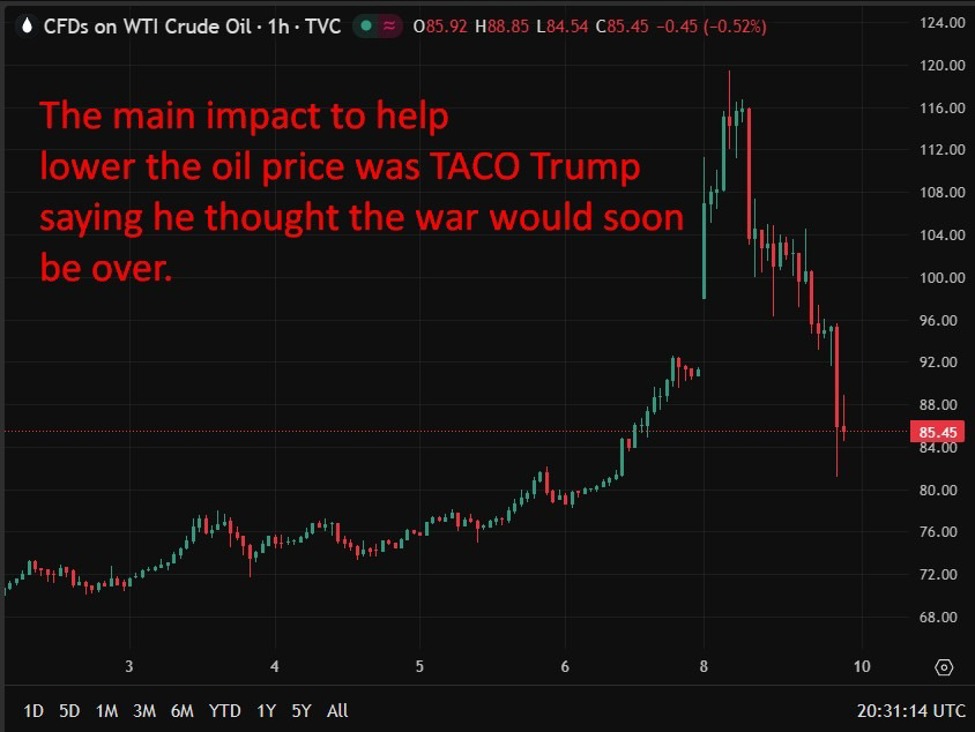
This geopolitical escalation, which sees the US pledging naval escorts, is creating significant market instability. While global energy markets grapple with halted shipments—affecting 20% of global oil and 30% of LNG—Russia emerges as a strategic beneficiary.
With Iran and Venezuela unable to meet demand, China's crude needs increasingly rely on Russia. Furthermore, the crisis threatens to reverse Europe's efforts to reduce dependence on Russian gas, potentially leading some EU states to seek import delays or exemptions to replenish strategic stocks.
Experts suggest Russia could leverage this moment by maintaining crude discounts, deepening its geopolitical influence over Beijing. Although global strategic stocks offer a short-term buffer, prolonged disruption beyond a few weeks would trigger sharp price spikes, increased retail costs, and eventual demand destruction.
The legality of Iran's actions is secondary to its capacity to instill fear, keeping shipping and insurance premiums elevated.