News
Regulation · Reporting · SEC · Transparency
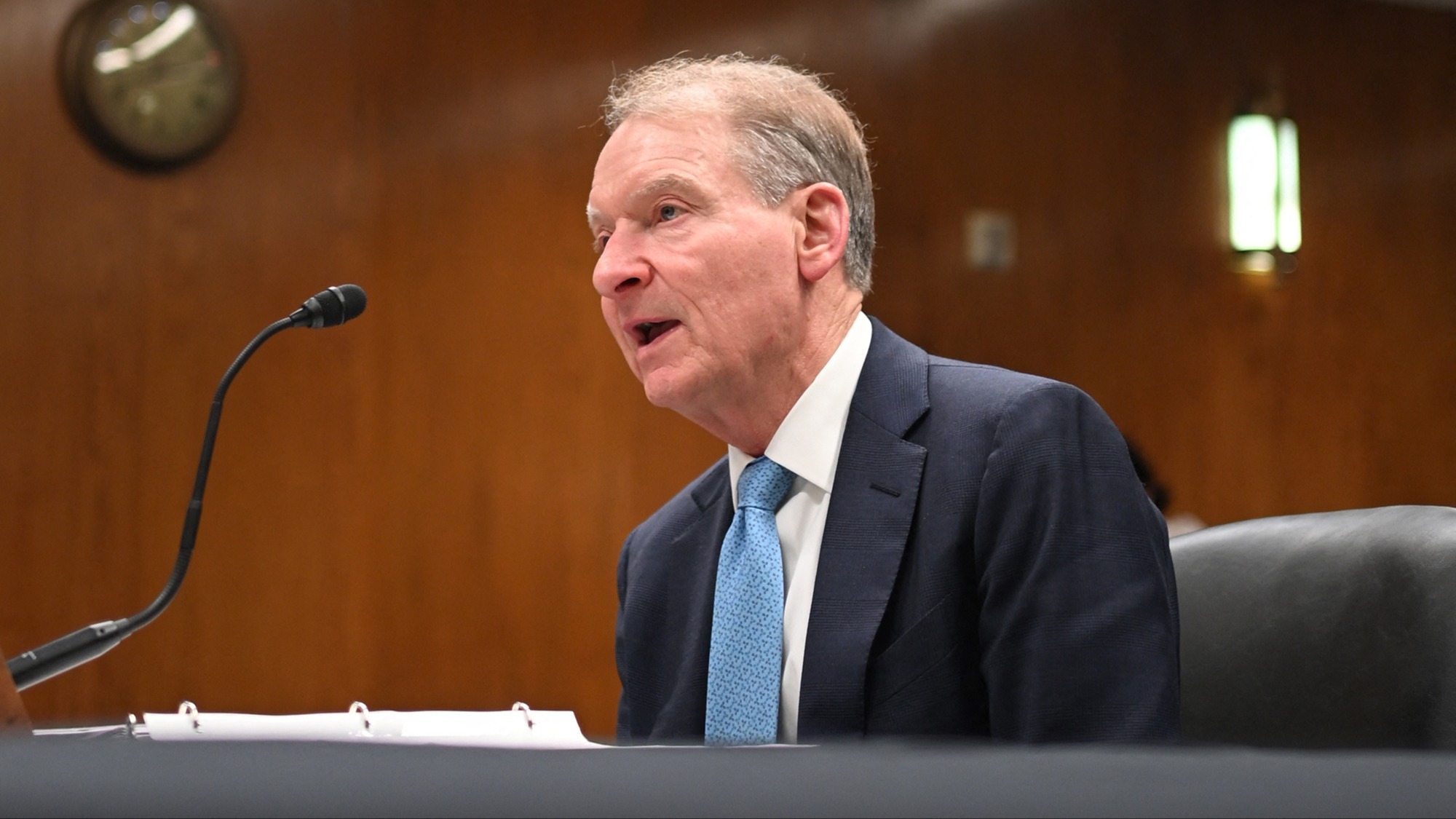
US Securities and Exchange Commission (SEC) Chair Paul Atkins has publicly endorsed proposals to significantly reduce corporate reporting requirements, advocating for a "minimum effective dose of regulation" to protect investors while allowing businesses to flourish.
This stance, articulated in an opinion piece, signals a potential shift away from the long-standing mandate for quarterly financial disclosures. For investors, this development carries mixed implications.
While less frequent reporting could alleviate short-term market volatility and encourage companies to focus on long-term strategic growth rather than quarterly earnings beats, it also means a reduction in timely access to critical financial data. This could diminish transparency and make it harder for investors to monitor company performance and react to emerging trends promptly, potentially increasing information asymmetry.
The proposal, if enacted, would represent a substantial change in the regulatory landscape, altering how investment decisions are made and how corporate accountability is perceived. This move aligns with a broader push in some circles to reduce regulatory burdens on corporations.
The article also briefly mentions UBS's seven-year timeline to meet new Swiss capital rules and ECB discussions on capital charges related to Indian clearing, though the primary focus remains on the SEC's proposed regulatory relaxation and its potential impact on corporate governance and market dynamics.
SEC Chair Atkins Backs Ending Quarterly Reporting(current)