News

Fundraising · Interest Rates · Private Equity · Tariffs
Private equity (PE) firms raised only $592 billion in the 12 months to June, marking a seven-year low in fundraising, as reported by the Financial Times citing Preqin data, despite offering unprecedented investor incentives.
This total represents almost a third reduction from 2021's peak levels. Higher interest rates and a slowdown in dealmaking prevent PE firms from selling trillions of dollars worth of aging investments, leading to investor frustration and refusal to back new funds.
PE outfits offer a "smorgasbord of discounts," including management fee cuts and "early-bird discounts," as noted by Marco Masotti, global head of private equity fundraising at Paul Weiss. Dealmakers' hopes for a boom in activity following Donald Trump's election and deregulation have not materialized.
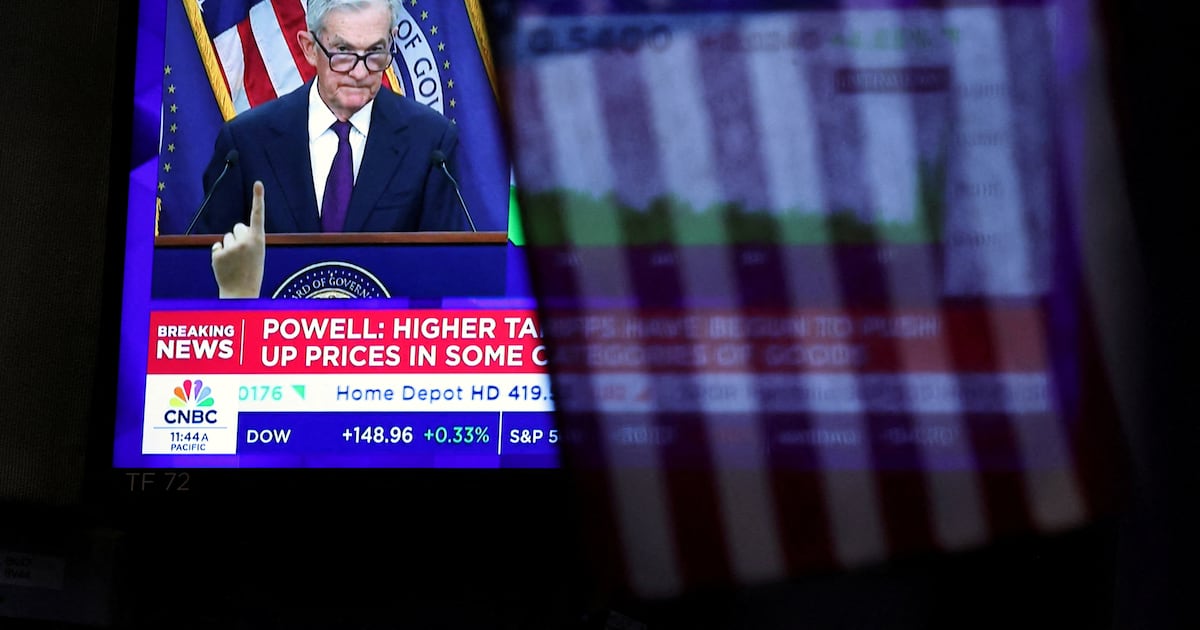
Instead, White House tariffs worsen challenges, cooling activity. A Campbell Lutyens survey from April found 33% of limited partners planned to slow private market investments due to tariffs, with 8% choosing an all-out pause.
Goldman Sachs assumes 70% of tariff-related costs pass to consumers, resulting in an average household income loss of $2,400, with the effective tariff rate at 18.3%, the highest since 1934, according to the Yale Budget Lab. Despite these headwinds, small and medium-sized businesses (SMBs) show increasing optimism, with 75% confident in their survival by June, up from 68% in February and March, according to PYMNTS Intelligence research.