Araverus
NewsMarketsResearch
News
HeadlinesThreadsAtlas
© 2026 Araverus
AboutContactPrivacyTerms

Araverus does not provide financial, investment, or trading advice. All content is for informational purposes only. Full disclaimer

  1. News
  2. /
  3. Markets
  4. /
  5. Business Markets

Private Credit Blurs Public Lines, Underwriting Risks Rise

Story Thread|Private Credit Market Faces Rising Defaults

Araverus Team|Monday, April 6, 2026 at 9:30 AM

Private Credit Blurs Public Lines, Underwriting Risks Rise

Araverus Team

Apr 6, 2026 · 9:30 AM

Market Convergence · Private Credit · Public Debt · Underwriting Risk

Market ConvergencePrivate CreditPublic DebtUnderwriting Risk

Key Takeaway

The rapid convergence of private credit and public debt markets introduces significant systemic risks for investors. This means increased competition and looser underwriting standards for leveraged loans and high-yield bonds, potentially leading to higher default rates and reduced diversification across debt portfolios. The blurring lines between private credit and public debt mean investors face heightened underwriting risks and reduced liquidity for their fixed-income portfolios.

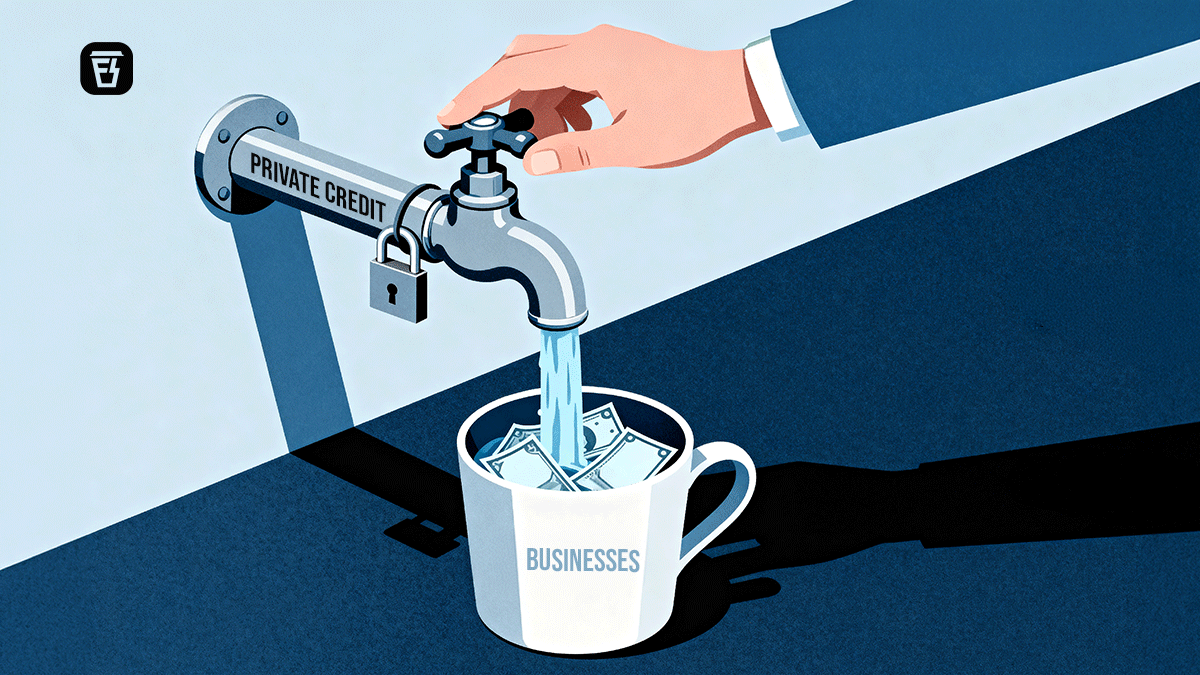
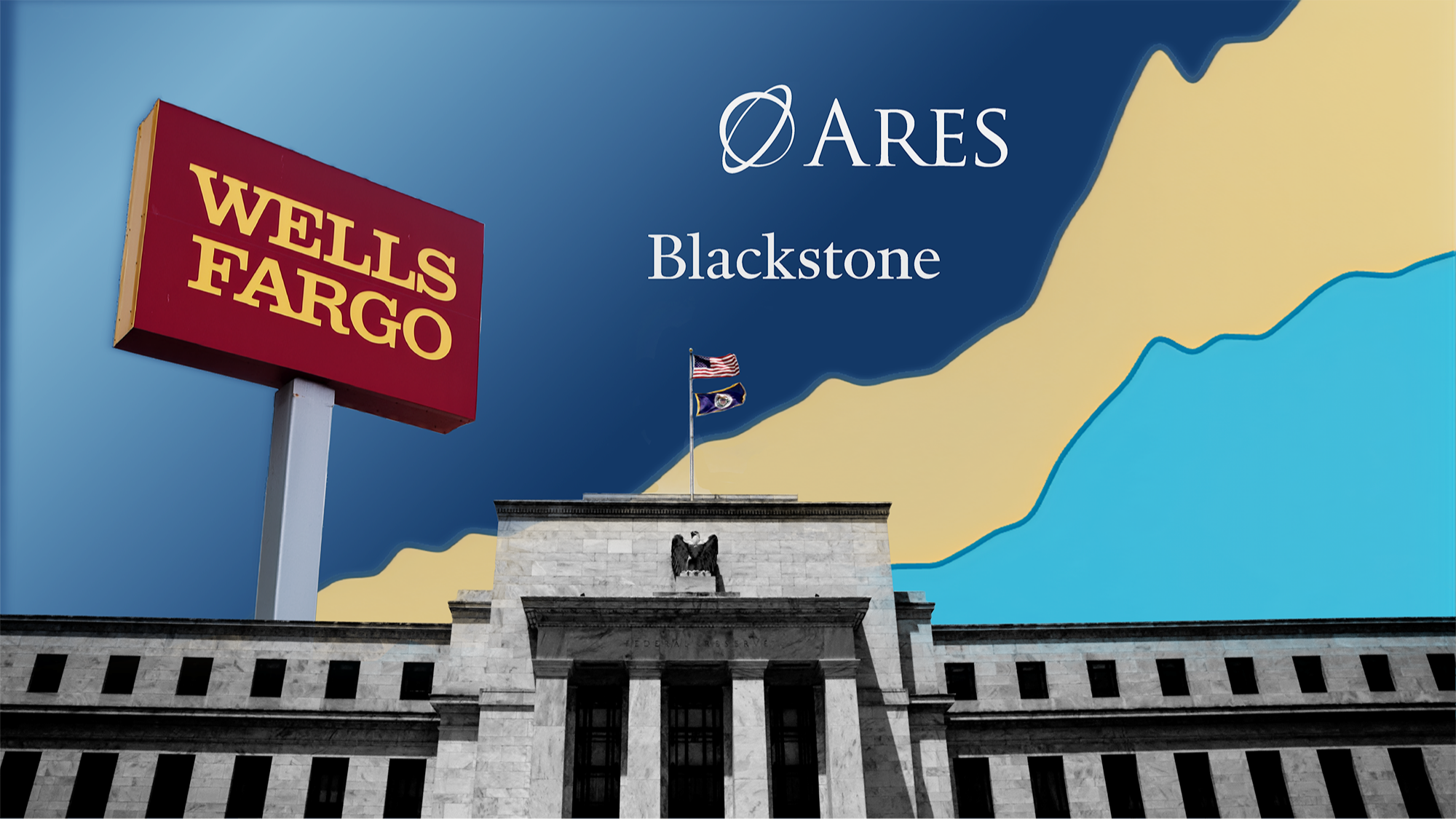
Private credit, projected to reach $5 trillion by 2029 from $3 trillion in early 2025, increasingly mirrors public bond markets, blurring traditional distinctions and expanding its role as a mainstream financing solution, according to Morgan Stanley and J.P. Morgan.

Private credit, once a niche, now offers equivalents to public market fixed-income sectors like investment-grade loans, high-yield debt, and asset-backed financing, as noted by Emily Bannister of Wellington Management. This convergence, driven by banks' pullback, borrowers' demand for bespoke capital, and investors' search for yield and diversification, has seen private credit ticket sizes scale from $75 million to routinely supporting billion-dollar deals, Christopher Acito of Gapstow Capital Partners stated.

However, this growth raises concerns about aggressive underwriting, weaker covenant protections, and potential for managers to accept credit risk without commensurate reward, as warned by Bannister and Danielle Poli of Oaktree Capital Management. The First Brands default highlighted these risks, and investors face challenges like unintentional double exposure and a lack of true secondary market liquidity, according to Putri Pascualy of Man Group.

Regulatory reports also flag systemic risk from highly leveraged non-bank lenders.

Thread Timeline: Private Credit Market Faces Rising Defaults

Mar 30, 2026

Bank of America: Private Credit Stress, Defaults Rise

Mar 30, 2026New Rule Opens 401(k)s to Reeling Private Credit
Apr 6, 2026

Private Credit Blurs Public Lines, Underwriting Risks Rise(current)
Read More On

Don’t Toss Junk Bonds Out With Private-Credit Debtwsj.comPrivate credit is beginning to look like the bond market — and that comes with red flags - CNBCcnbc.comUS junk bond maturity wall not as high as feared - Reutersreuters.comAre high-yield bonds the place to hide in levered credit? - Columbia Threadneedle Investments UScolumbiathreadneedleus.comJunk bond | High-Yield, Corporate Debt & Risky Investments - Britannicabritannica.com

Related Articles

Markets★★Similarity: 74% · 5d ago

What Banks Stand to Lose From the Private-Credit Mess

Potential losses from loans to private-credit funds aren’t the only concern.

Markets★★Similarity: 71% · 3d ago

What’s a Private-Credit Fund Worth When the Money Is Locked Up?

Redemption requests at managers like Blue Owl and Cliffwater are triggering a domino effect among funds.