Araverus
NewsMarketsResearch
News
HeadlinesThreadsAtlas
© 2026 Araverus
AboutContactPrivacyTerms

Araverus does not provide financial, investment, or trading advice. All content is for informational purposes only. Full disclaimer

  1. News
  2. /
  3. Markets
  4. /
  5. Stocks

Nasdaq's IPO Rule Changes Harm Index Investors

Araverus Team|Sunday, June 14, 2026 at 10:10 AM

Nasdaq's IPO Rule Changes Harm Index Investors

Araverus Team

Jun 14, 2026 · 10:10 AM

Index Funds · IPOs · Liquidity · Nasdaq

Index FundsIPOsLiquidityNasdaq

Key Takeaway

Nasdaq's proposed "Fast Entry" rules mean passive index investors face increased risk of acquiring overvalued shares in large IPOs like SpaceX. This means funds tracking indices such as the Nasdaq-100 will experience forced buying at potentially inflated prices, impacting long-term returns for millions of retirement savers.

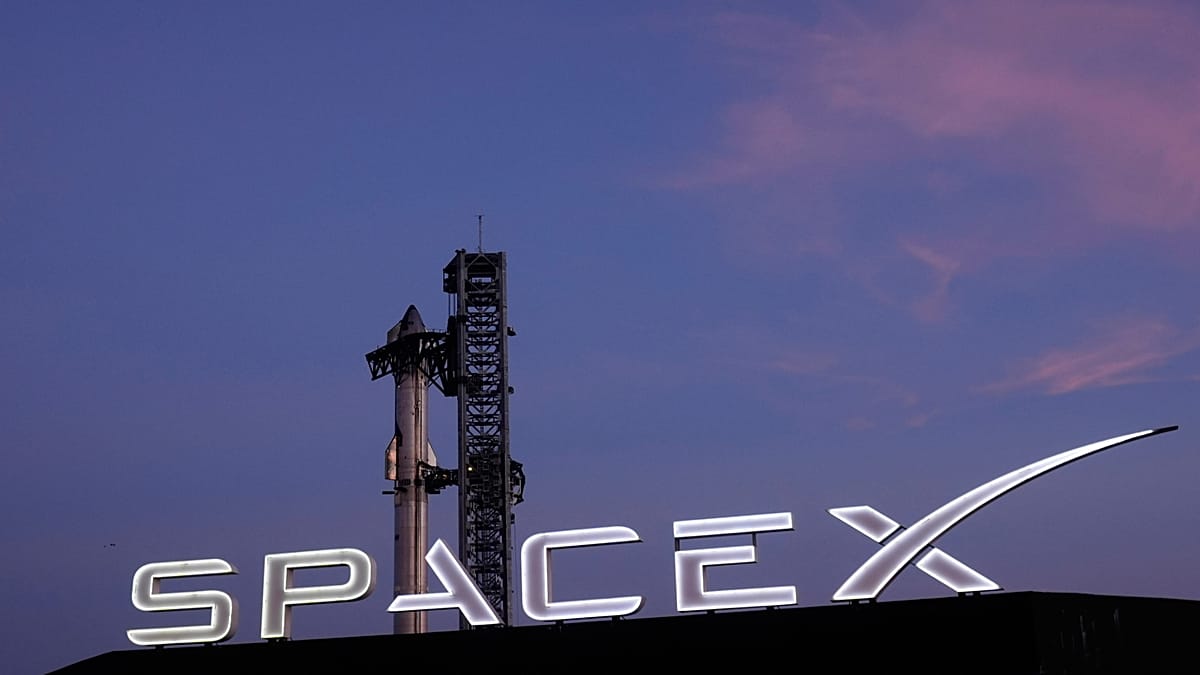
Nasdaq proposes "Fast Entry" rule changes for large IPOs like SpaceX, allowing faster index inclusion and waiving liquidity requirements, a move Owen A. Lamont criticizes as detrimental to passive investors who risk buying overpriced shares.

Nasdaq's proposal would add large IPOs to the Nasdaq-100 index only 15 trading days after their public debut, entirely waiving the existing 10% float requirement for high market cap stocks. Owen A. Lamont, Senior Vice President at Acadian Asset Management, labels the proposal "arbitrary, unfair and potentially risky," echoing concerns from Jason Zweig of The Wall Street Journal, Patrick Boyle on Finance, and Robin Wigglesworth of The Financial Times.

Lamont highlights the case of VinFast, which listed with a 1% float in August 2023, saw its valuation briefly reach $200 billion, and subsequently plummeted from $17.21 to $3. He argues that a 15-day period is insufficient for proper price discovery, especially given underwriter price stabilization and initial difficulties in short selling.

In contrast, the S&P 500 mandates a 12-month "seasoning" period, which facilitates orderly price discovery and allows arbitrageurs to accumulate shares ahead of index fund demand. Research by Murray and Sammon (2026) on the CRSP total stock market index, which has a 5-day seasoning period, indicates that index investors are forced to buy at elevated prices, with shares falling by as much as 10% in subsequent months, while issuers raise 6% more capital.

Lamont concludes that giant IPOs warrant stricter, not looser, rules to prevent index investors from being "stuck holding the bag."


Read More On

SpaceX Is Coming Early to Your Index. How Worried Should You Be?wsj.comSpaceX IPO won’t ‘break’ the bull market. But investors are worried about what comes next - CNBCcnbc.comSpaceX, Anthropic IPOs Have Retirees Worried; Advisors Say Don't Stress - Business Insiderbusinessinsider.comCommentary: Here's how Musk's SpaceX IPO could crash your 401(k) - Los Angeles Timeslatimes.comSpaceX and other mega IPOs may wait years to join the S&P 500 - Fortunefortune.com

Related Articles

Markets★★★Similarity: 81% · 10d ago

The Faulty Logic Behind the SpaceX Index Trade

There used to be a reliable additional bump from admission to indexes, but it has become less certain recently.

Markets★★Similarity: 76% · 10d ago

Tech’s Next IPO Wave Promises a Charitable Windfall

The SpaceX IPO is the first in a string of AI public-market debuts that could deliver new riches to startup employees to donate to charity.

Markets★★★Similarity: 74% · 12d ago

Indexes Settle Higher as SpaceX Soars in Trading Debut

A big gain in financial stocks helped the Dow Jones Industrial Average settle up 0.7%, while the S&P 500 and Nasdaq also finished higher. Shares of SpaceX soared 19% in their trading debut.

Markets★★★Similarity: 73% · 12d ago

SpaceX’s IPO Is Stratospheric—and Historic

Plus, the U.S. and Iran move closer to a peace deal, and multitasking is legit.