News

Hezbollah · Israel · Lebanon · Peace Talks
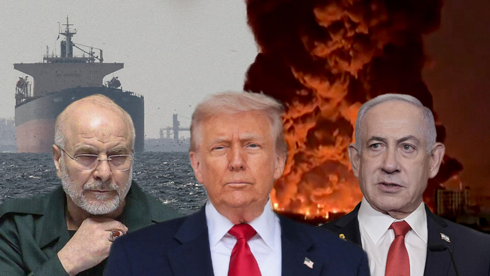
President Trump announced direct peace talks between Israeli Prime Minister Benjamin Netanyahu and Lebanese President Joseph Aoun, aiming to end 78 years of conflict, following a 10-day ceasefire, but the exclusion of Hezbollah, a key belligerent, creates significant risks for Lebanon's internal stability and the agreement's success.
The proposed talks represent a historic diplomatic effort, yet previous peace attempts in 1983, 1993, and November 2024 failed due to opposition from factions like Hezbollah and Syria. Hezbollah, a U.S.-designated terrorist group and potent political force with wide Shia Muslim support, remains technically at war with Israel and views Israeli occupation as justification for resistance.
Its exclusion from the current negotiations jeopardizes the ceasefire and any potential agreement, as experts like Sam Heller of Century International warn of "very real risks for Lebanon’s internal stability and cohesion." Israeli officials acknowledge the Lebanese government's difficult choice between confronting Hezbollah or risking civil war, despite the government's recent unprecedented steps to counter Hezbollah's influence, including a ban on military activities and declaring Iran's ambassador persona non grata. However, Lebanon's feeble military and weak economy hinder enforcement.
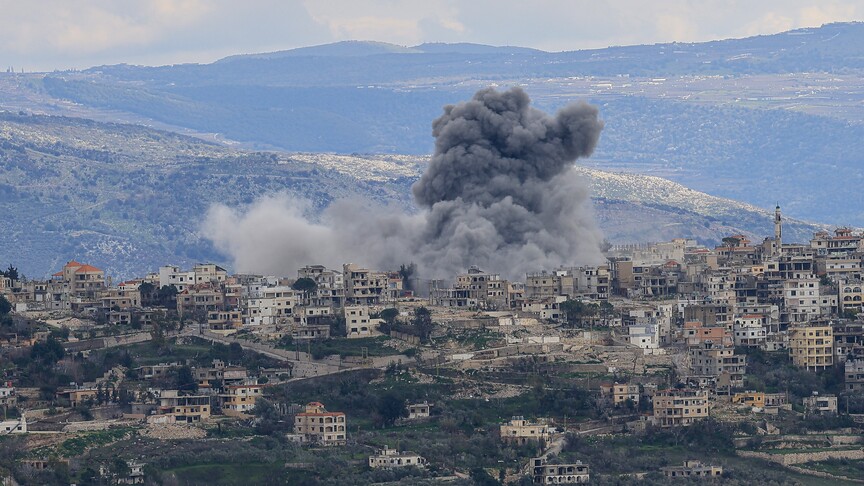
The ceasefire, which includes a 6-mile Israeli buffer zone in southern Lebanon, has drawn anger from northern Israeli officials who believe it compromises efforts to disarm Hezbollah, while the perception of Iranian influence in securing the ceasefire raises concerns about future regional stability, according to Ofer Guterman of the Institute for National Security Studies.