
News
:max_bytes(150000):strip_icc()/GettyImages-2280449939-c870fcea3d0342e98a3d813a0f7de2aa.jpg)
Global Stocks · Interest Rates · Iran Peace Deal · Oil Prices
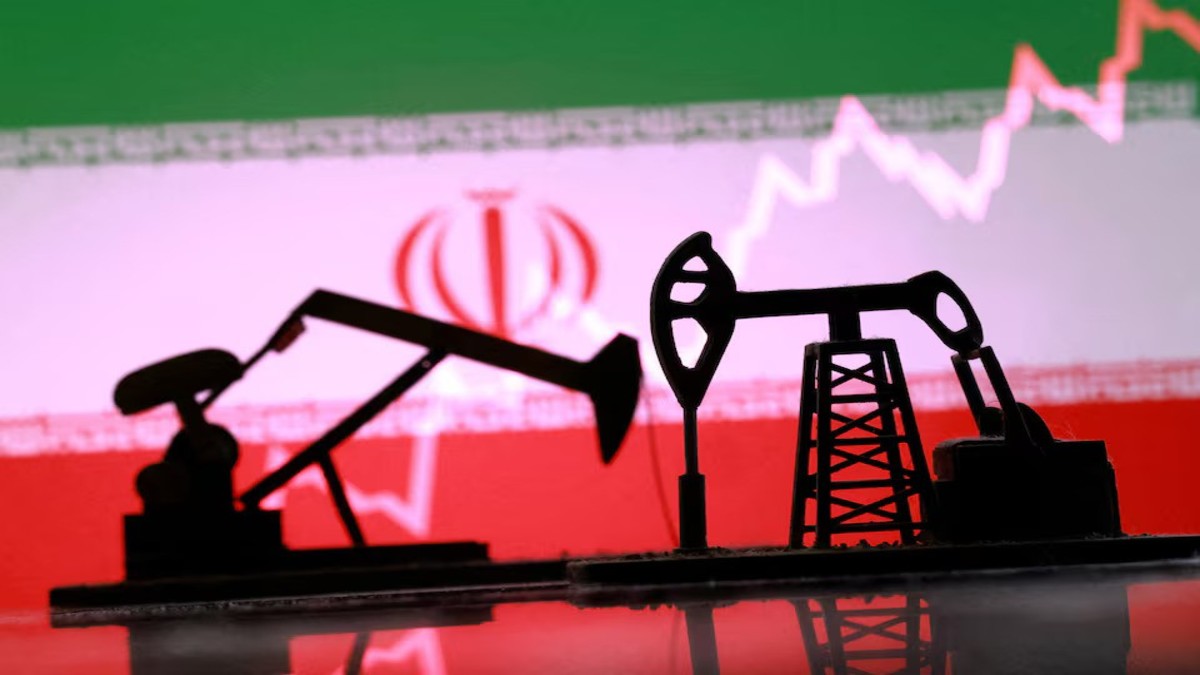
The U.S. and Iran reached an interim peace deal, leading to the reopening of the Strait of Hormuz, which caused oil prices to tumble to their lowest since March while simultaneously driving U.S. futures and global stock markets significantly higher.
This agreement immediately boosted risk appetite across financial markets, with major U.S. indexes like the Dow Jones Industrial Average, S&P 500, and Nasdaq rising by 1.1%, 1.3%, and 1.9% respectively. Asian equities surged, with South Korea's Kospi up 5.2%, and European markets followed suit, as Germany's DAX climbed 1.7% and the Europe-wide Stoxx 600 gained 1.2%.
Conversely, Brent crude fell 4.4% to $83.45 a barrel, and West Texas Intermediate futures dropped 5% to $80.60 a barrel, impacting energy sector stocks such as Shell, BP, TotalEnergies, and Repsol, which saw declines ranging from 3.4% to 4.7%. The deal also led to a fall in Treasury yields, with the 10-year U.S. yield slipping nearly five basis points to 4.439%, and a decline in the DXY dollar index by 0.3% to 99.496, while gold futures rose over 2% to $4,329.80 a troy ounce and Bitcoin gained 2.8% to $65,775.
Analysts from Deutsche Bank noted the deal is "very good news for markets," though a 60-day negotiation period on Iran's nuclear program remains crucial for sustainable peace.

)