News
Central Bank · Geopolitical Risk · Interest Rates · Rupiah
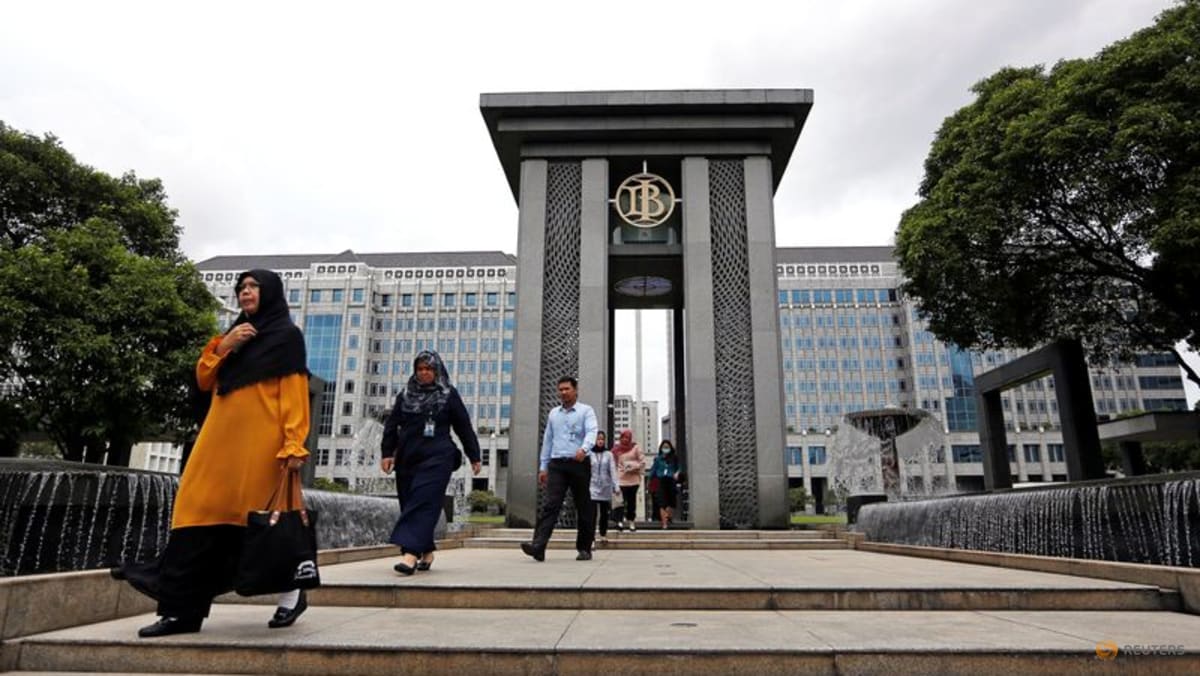
Indonesia's central bank, Bank Indonesia, maintained its benchmark seven-day reverse repo rate at 4.75%, extending a pause since September, as escalating Middle East conflict creates global economic uncertainty, raising inflation risks and pressuring the oil-sensitive rupiah.
This decision, expected by all economists polled by The Wall Street Journal, also kept the overnight deposit facility rate at 3.75% and the lending facility rate at 5.50%. BI Governor Perry Warjiyo stated the pause aligns with rupiah stabilization goals, indicating readiness to strengthen monetary policy if needed, while emphasizing the necessity for government and monetary measures to boost domestic demand.
Kenanga economist Muhammad Saifuddin Sapuan no longer expects rate cuts this year, and Barclays economists link future easing to rupiah performance. Capital Economics' Jason Tuvey doubts interest rate hikes will occur, noting BI's focus on economic growth and macroprudential tools over policy rates to buoy the currency.
Goldman Sachs economists warn against tightening, citing potential pressure on domestic demand. BI forecasts 2026 economic growth at 4.9% to 5.7%, compared to 5.1% in 2025.
Analysts warn that higher oil prices and ballooning subsidies, exacerbated by the Middle East conflict, strain Indonesia's budget and fiscal buffers, as noted by CIMB economists.