
Araverus
NewsMarketsResearch
News
HeadlinesThreadsAtlas
© 2026 Araverus
AboutContactPrivacyTerms

Araverus does not provide financial, investment, or trading advice. All content is for informational purposes only. Full disclaimer

  1. News
  2. /
  3. World

Indian Digital Arrest Scams Cost Billions, Threaten Savings

Araverus Team|Monday, March 30, 2026 at 3:00 AM

Indian Digital Arrest Scams Cost Billions, Threaten Savings

Araverus Team

Mar 30, 2026 · 3:00 AM

Cybercrime · Digital Arrest · Financial Fraud · India

CybercrimeDigital ArrestFinancial FraudIndia

Key Takeaway

The escalating cybercrime rates in India, particularly the sophisticated "digital arrest" scam, represent a significant operational risk for financial institutions and a direct threat to consumer confidence and digital transaction growth. This means increased compliance costs for banks and payment processors to enhance security measures, potentially impacting their profitability, and it means a heightened need for cybersecurity solutions providers, signaling growth opportunities in that sector. Furthermore, it means a drag on overall economic sentiment as consumer trust in digital platforms erodes, affecting sectors reliant on online transactions.

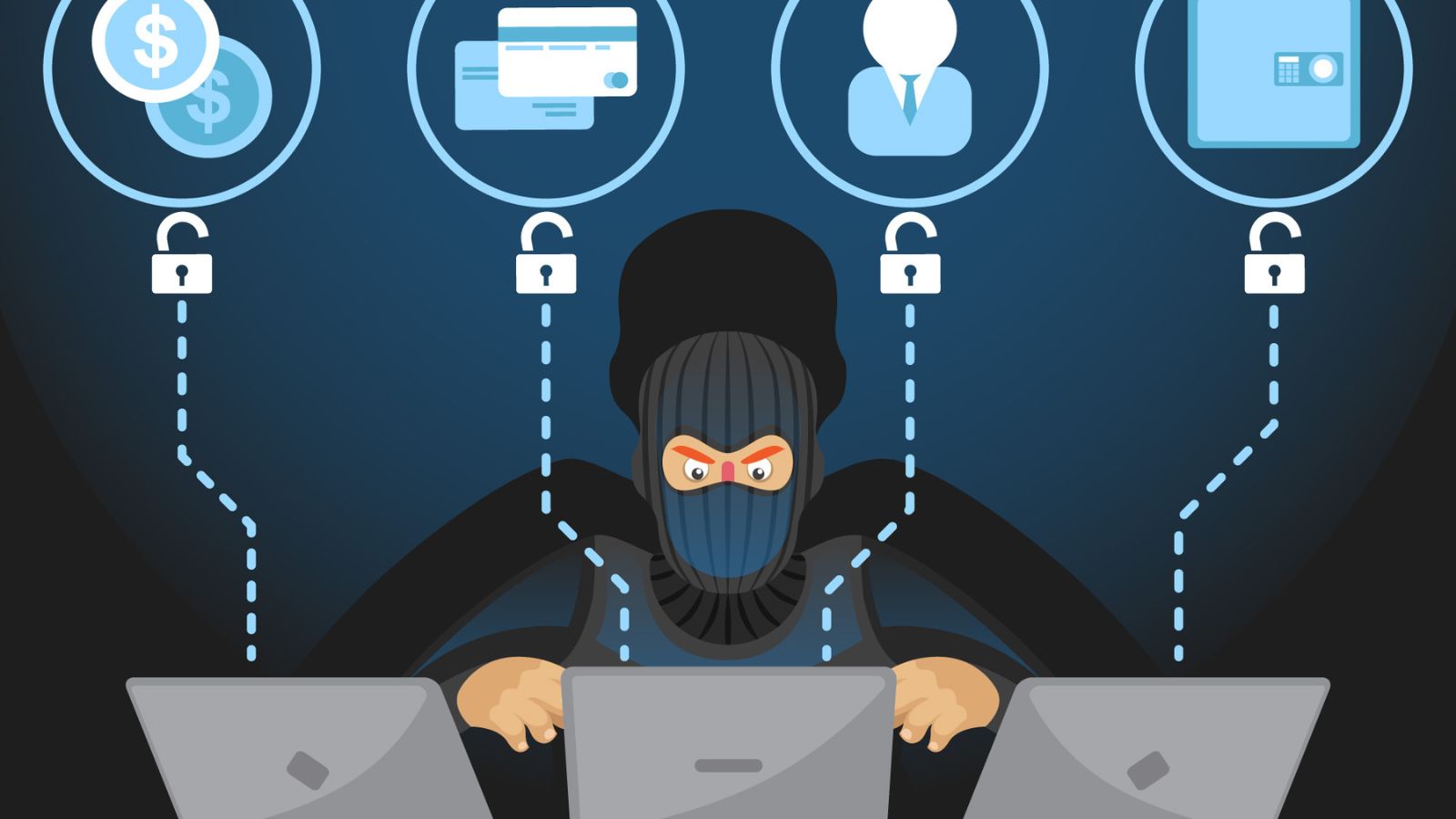
Digital arrest scams, where fraudsters impersonate police and government officials via video calls, have caused Indian citizens to lose over Rs 1,900 crore from 2023 to September 2025, with the Indian Cyber Crime Coordination Centre (I4C) reporting 2.27 million cybercrime incidents in 2024 alone.

Cybercrimes have tripled since 2018, with financial fraud making up the majority, and nearly half of urban Indian households have faced money-related scams. Scammers exploit fear, using fake IDs and police-like backgrounds to trick victims into believing they are under "digital arrest" and demanding money to clear their names, despite no such legal provision existing in India.

Real-world cases include a Bengaluru professional losing Rs 2 crore and Nagpur victims losing Rs 6 crore in 11 months of 2025. Other prevalent scams include UPI/QR code tricks, sextortion, fake job offers, AI voice cloning, fake links, and OTP sharing.

The I4C's National Cybercrime Reporting Portal (NCRP) and helpline 1930 are crucial for reporting, with Rs 2,800 crore recovered for victims so far. Continued vigilance and public awareness are essential to combat these growing threats to financial security.
Read More On

Fake Cops, Fake Judges: The Hollywood-Style Scam Poised to Go Globalwsj.com'Frauds may knock on door': New form of ‘digital arrest’ now sees fake cops coming home - timesofindia.indiatimes.comtimesofindia.indiatimes.comInside the ‘digital arrest’ scam: How cybercriminals use fear to defraud even the savvy - timesofindia.indiatimes.comtimesofindia.indiatimes.comIndians lose crores in digital arrest scams. Who's running them? - India Todayindiatoday.inCan India's legal system combat the rising threat of digital arrest scams? - The Leaflettheleaflet.in

Related Articles

World★★Similarity: 93% · 1d ago

Fake Cops, Fake Judges: The Hollywood-Style Scam Poised to Go Global

Criminals have taken digital scams to a new level in India—and are looking elsewhere for victims.

Markets★★Similarity: 57% · 1d ago

These Invisible Stocks Have a Superpower

Plus, boots on the ground?

Tech★★Similarity: 56% · 2d ago

Meta the Defendant

Plus, Apple’s autocorrect fix, Sora’s untimely demise, Nvidia’s iron grip on the AI industry and the 10-year feud shaping AI’s future.

Markets★★★Similarity: 56% · 4d ago

FCC Advances Effort to Bring Telecom Call Centers Back to the U.S.

Analysts said the proposal, aimed to reduce fraud and language barriers, could drive companies toward automation.