
News
Geopolitics · Iran · IRGC · Succession
The death of Iran's Supreme Leader, Ali Khamenei, and the likely succession by his son, Mojtaba Khamenei, marks a pivotal moment for the Islamic Republic.
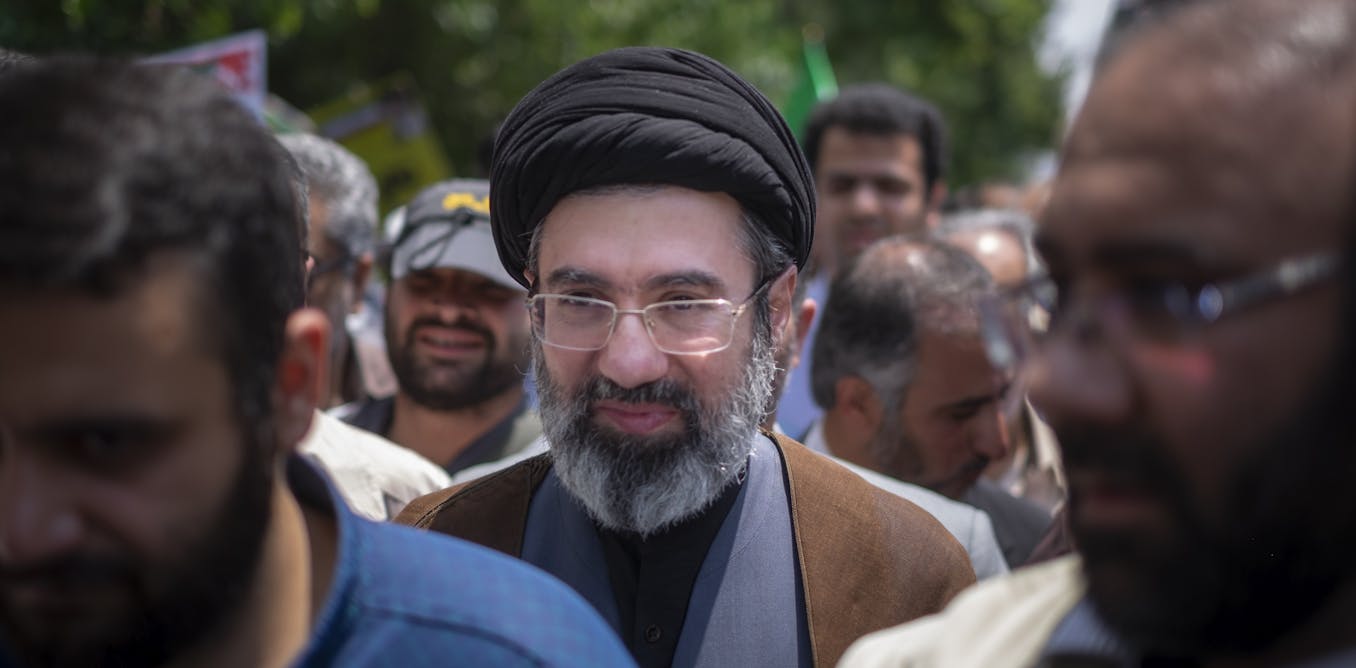
Mojtaba, a mid-ranking cleric who only received the title of Ayatollah in 2022, lacks the traditional senior religious standing for the role. His influence stems from informal power networks, including close ties to the Islamic Revolutionary Guard Corps (IRGC) and a strong opposition to reformist politics and Western engagement.
This succession challenges the revolution's anti-dynastic founding myth, potentially transforming the regime into a theocratic monarchy in the eyes of many Iranians. While the Assembly of Experts formally selects the leader, its vetting process is opaque and influenced by the supreme leader's orbit.
Mojtaba's ascension is expected to deepen the securitization of Iranian politics, leading to hardened domestic control, expanded IRGC influence in regional affairs, and a more confrontational, yet pragmatic, approach to negotiations with the West. His father's death during Ramadan may also be leveraged to create a narrative of martyrdom, further solidifying Mojtaba's religious legitimacy among Shi'ite Muslims.
Mojtaba Khamenei Succession Hardens Iran's Geopolitical Stance(current)
