News
Aluminum · Geopolitics · Strait Of Hormuz · Supply Chain
The Strait of Hormuz crisis has severely disrupted Western aluminum supply chains, impacting major producers like Emirates Global Aluminum, Aluminium Bahrain (Alba), and Qatalum, leading to a 189% surge in European Rotterdam premiums and removing 2.2 million tons of annual capacity.
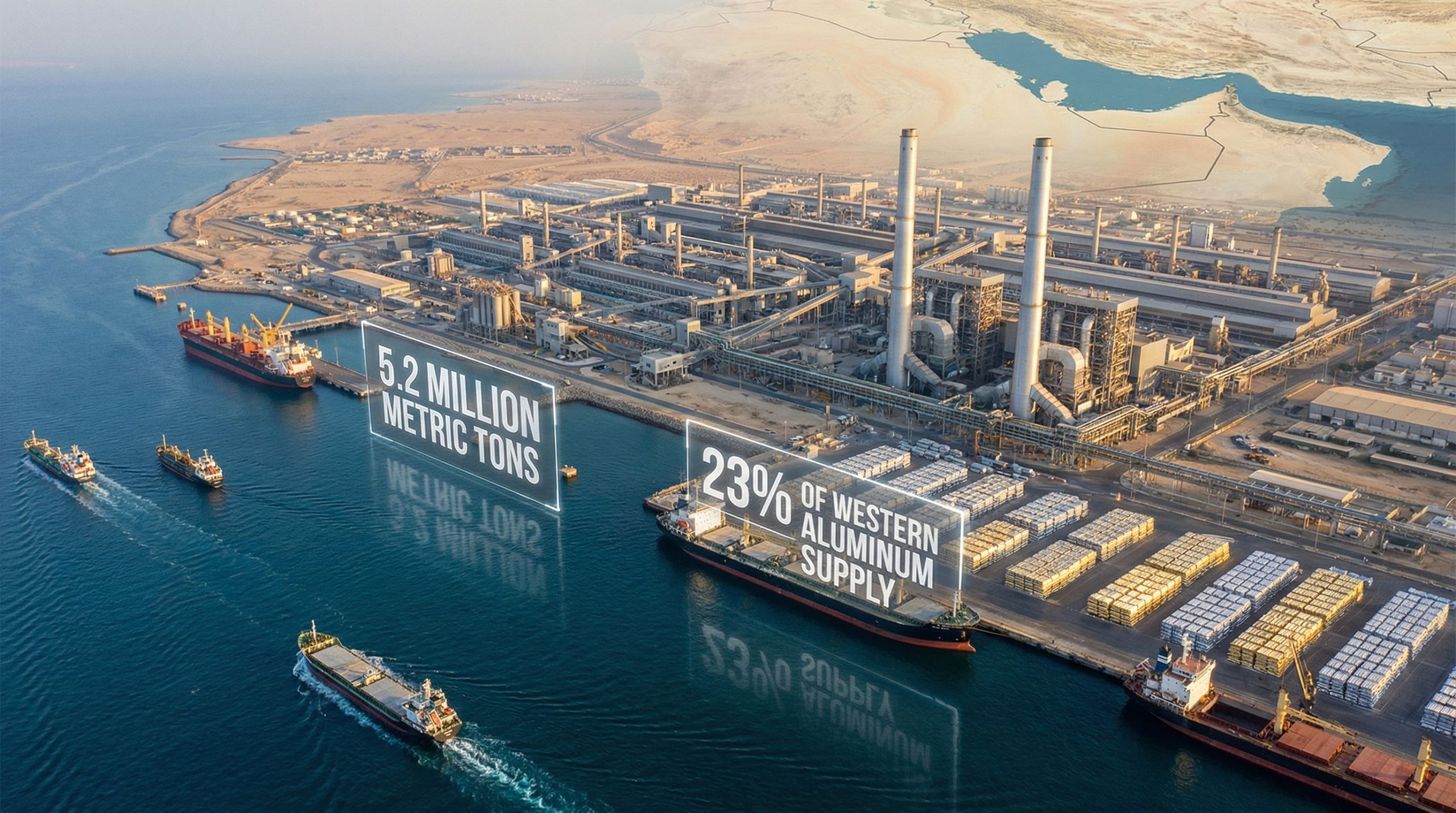
This crisis stems from escalating geopolitical tensions in the Persian Gulf, exposing the aluminum industry's reliance on this critical chokepoint, which facilitates 23% of Western aluminum supply, totaling 5.2 million metric tons annually. Gulf producers, including UAE, Bahrain, Qatar, and Saudi Arabia, collectively represent 18.8% of global non-Chinese output.
Smelter shutdowns, such as those at Alba and Qatalum due to natural gas interruptions, are technically complex, taking months to restart and incurring hundreds of millions in costs. The London Metal Exchange shows severe backwardation, with spot prices trading $47.40 per ton above three-month futures, the highest since 2019.
Regional premiums have exploded, with Europe Rotterdam up 189% to $275 per ton and US Midwest up 152% to $365 per ton. Automotive and aerospace industries are highly vulnerable due to limited inventory buffers and strict material specifications.
Global LME inventories are at 583,000 tons, the lowest since 2020, with only 240,000 tons accessible to Western buyers due to Russian-origin metal restrictions. Alternative shipping routes are economically unviable, adding $180-$1,200 per ton to costs.
China, now a projected net importer, cannot offset the supply loss. The crisis necessitates strategic responses for supply chain resilience, including multi-regional networks and increased inventory buffers.