News

Corporate Strategy · M&A · Market Volatility · Megadeals
Global corporate megadeals achieved a record quarterly showing in early 2026, with 22 transactions valued at $10 billion or more announced, as companies like Unilever and Sysco pursued strategic tie-ups despite market volatility and rising oil prices.
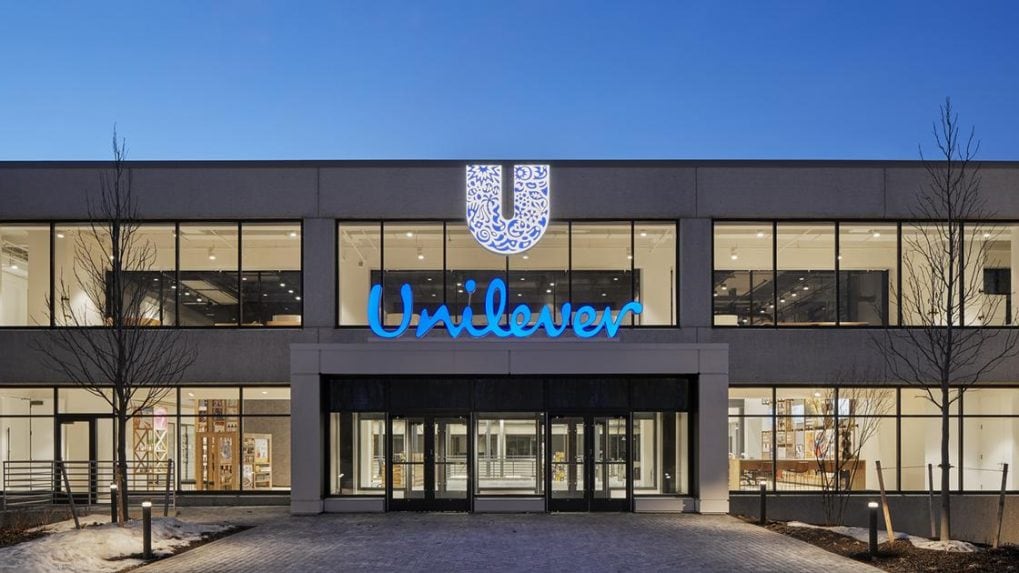
The total value of all deals announced globally jumped 29% in the first quarter from a year ago, according to LSEG data, but the number of deals is down 17% as smaller-deal activity slowed. Notable transactions include Unilever's more than $65 billion deal with McCormick, Sysco's over $29 billion acquisition of Jetro Restaurant Depot, and Amazon.com’s $50 billion investment in OpenAI’s $110 billion fundraise.
Ben Goodchild, a partner at Paul Weiss, states the M&A market focuses on long-term fundamentals. The Justice Department’s top antitrust official, Gail Slater, departed in February, potentially easing scrutiny for large deals.
U.S. stocks are set to deliver their worst quarter in nearly four years, with the Nasdaq Composite Index dropping over 7%, complicating pricing agreements. The Iran war has sent crude prices above $100 a barrel, which keeps interest rates higher, making deal funding more expensive.
Smaller deals, valued between $1 billion and $5 billion in the U.S., are particularly affected, as buyers defer non-essential acquisitions. Private-equity firms hold record numbers of portfolio companies but hesitate to sell at depressed prices.
Dealmaking thrives in financial services and healthcare, exemplified by Eli Lilly's up to $7.8 billion deal for Centessa Pharmaceuticals and Biogen's $5.6 billion deal for Apellis Pharmaceuticals. Frank Aquila, Sullivan & Cromwell’s senior M&A partner, anticipates a phenomenal M&A year if market stability returns.