News
Biotechnology · Ethics · Gene Editing · Human Embryos
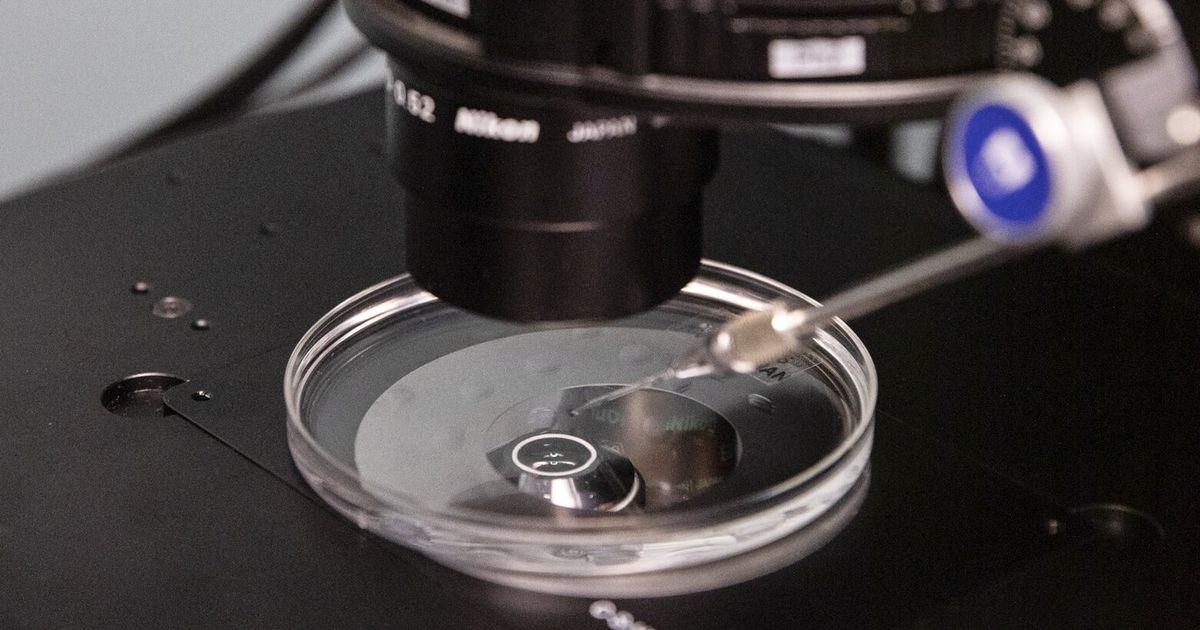
Columbia University scientists precisely edited the DNA of early human embryos, achieving unprecedented accuracy in a breakthrough that could enable future babies with specific characteristics, sparking both medical promise and ethical debate.
This achievement by Columbia University scientists marks a significant advancement in gene-editing technology. This precision editing capability offers the potential to safely repair disease-causing mutations in embryos, which would allow more embryos to be implanted instead of discarded, as stated by scientists.
However, the technology also raises profound ethical concerns, as it could be used to select desired traits, a practice some ethicists equate to eugenics. The controversy surrounding human embryo gene editing has persisted for years, highlighted by past incidents such as He Jiankui's creation of genetically edited babies, for which he served three years in jail.
This new development, reported by The New York Times, intensifies the ongoing discussion about the boundaries and responsible application of such powerful genetic engineering tools, impacting future medical and biotech sectors.