News
BOJ · Interest Rates · Japan · Monetary Policy
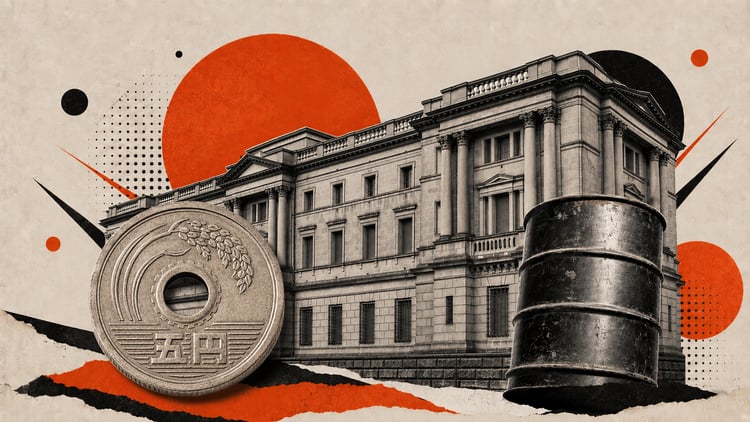
The Bank of Japan (BOJ) increased its key interest rate to 0.75%, a 30-year high, marking a significant step away from decades of ultra-loose monetary policy and signaling a commitment to price stability over growth at any cost.
This unanimous decision reflects growing confidence in Japan's economy, moving past deflationary conditions, and indicates that policymakers are prepared for additional rate increases if inflation and wage trends continue to support tighter policy. Core inflation has consistently remained above the BOJ’s 2% target, driven by a weak yen, improved wage growth in some sectors, and companies' increased willingness to pass on costs to consumers.
The BOJ's shift also entails a move away from strict Yield Curve Control (YCC), which had distorted the bond market by capping 10-year government bond yields. As a result, Japanese government bond yields have climbed, reflecting expectations of tighter policy and reduced central bank intervention.
This historic change signifies Japan's entry into a monetary policy normalization phase, where economic fundamentals, rather than emergency support, will drive interest rates, inflation, and bond yields.
BOJ Raises Rates, Signals Further Hikes for Stability(current)